



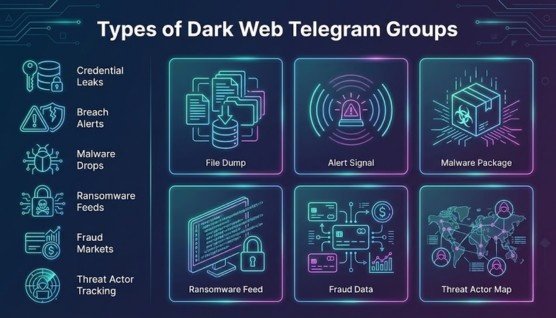
In the digital age, privacy and anonymity have become increasingly critical to users worldwide. One platform that has gained immense attention for its secure messaging capabilities is Telegram. While widely used for legitimate communication, Telegram dark web channels have emerged as a point of concern for cybersecurity experts, law enforcement agencies, and digital watchdogs. This article dives deep into the world of Telegram dark web, its implications, legal concerns, and the ways users can protect themselves while navigating this hidden online landscape.
Understanding Telegram and Its Popularity
Telegram is a cloud-based messaging app launched in 2013 by Russian entrepreneurs Pavel and Nikolai Durov. It stands out among other messaging apps due to its focus on speed, security, and privacy. Some of the key features that make Telegram popular include:

- End-to-end encryption: Telegram offers secret chats with end-to-end encryption, ensuring messages cannot be intercepted.
- Self-destructing messages: Users can set messages to disappear automatically after a set period.
- Large group chats and channels: Telegram supports groups of up to 200,000 members and channels for broadcasting messages to unlimited audiences.
- Cross-platform support: Telegram works seamlessly across mobile devices, desktops, and web browsers.
However, the same features that make Telegram secure for everyday users also make it appealing for dark web activities.
What is the Dark Web?
The internet is typically divided into three layers: the surface web, the deep web, and the dark web.
- Surface Web: This includes websites indexed by search engines like Google and Bing. It’s the part of the internet most users interact with daily.
- Deep Web: These are parts of the internet not indexed by search engines, such as private databases, subscription services, and email accounts.
- Dark Web: A hidden network accessed using specialized software such as Tor. It is designed to provide anonymity for both users and service providers.
The dark web is often associated with illegal activities such as the sale of drugs, weapons, counterfeit goods, and personal data. However, it is also used for legitimate purposes, such as providing anonymous communication in oppressive regimes.
How Telegram Connects with the Dark Web
While Telegram itself is not part of the dark web, it has become a popular tool for dark web users to communicate securely. Here’s why:
- Anonymity: Users can create accounts without sharing their phone numbers publicly.
- Encrypted communication: Secret chats and private channels ensure messages are difficult to trace.
- Ease of access: Unlike Tor or other dark web browsers, Telegram is easy to use on standard devices.
- File sharing: Telegram allows sharing of large files, making it convenient for distributing digital content.
Due to these features, many dark web vendors, hackers, and underground communities use Telegram dark web channels to conduct transactions and coordinate activities.
Common Uses of Telegram Dark Web Channels
While the dark web is often perceived negatively, Telegram dark web channels have a variety of uses, some legal and some illegal:
1. Illegal Marketplaces
Many dark web marketplaces advertise their Telegram channels as a point of contact. Users can buy or sell illegal items such as drugs, counterfeit currencies, or stolen credentials. These channels often operate with encryption and anonymity, making law enforcement investigations challenging.
2. Hacking and Cybercrime Forums
Telegram hosts forums and private groups where hackers exchange tools, tutorials, and even services. These groups can provide everything from phishing kits to ransomware guides. The combination of Telegram dark web secrecy and encrypted chats makes it difficult for outsiders to monitor these activities.
3. Whistleblowing and Activism
On the positive side, Telegram dark web channels are sometimes used by whistleblowers, journalists, and activists who need to communicate without fear of retaliation. In countries with strict censorship, Telegram provides a secure way to share sensitive information.
4. Piracy and Illegal Content Distribution
Pirated movies, software, eBooks, and even paid subscription services are frequently shared through Telegram dark web channels. Unlike mainstream file-sharing platforms, Telegram’s large group and channel capacity make distributing content easier and harder to track.
Risks of Using Telegram Dark Web Channels
Engaging with Telegram dark web channels carries significant risks:
1. Legal Consequences
Many activities conducted on dark web channels are illegal. Users caught buying or selling illicit goods, or participating in hacking communities, can face severe penalties including fines and imprisonment.
2. Scams and Fraud
Dark web Telegram channels are unregulated. Users risk falling victim to scams where sellers disappear after receiving payment, or phishing attempts designed to steal personal information.
3. Exposure to Malware
Many dark web Telegram channels share files that may contain malware. Downloading files from unknown sources can compromise your device and personal data.
4. Privacy Risks
Despite encryption, no platform is entirely safe. Law enforcement agencies have occasionally infiltrated Telegram dark web channels, and there is always a risk of data breaches.
How to Identify Legitimate Telegram Channels
Not all Telegram channels are unsafe. Some are safe for news, privacy discussions, or open-source software communities. Here are tips to identify reliable channels:
- Check for official verification: Verified channels have a checkmark, although it’s mostly for public figures.
- Look at member count and engagement: Channels with consistent, transparent activity are often more trustworthy.
- Research outside Telegram: Legitimate channels are often mentioned on forums, websites, or social media.
- Avoid channels promising illegal services: Any channel offering illegal items or activities is high risk.
Legal and Ethical Considerations
Engaging with Telegram dark web channels raises important legal and ethical questions:
- Privacy vs. illegality: While privacy is a fundamental right, using anonymity tools to conduct illegal activities is punishable by law.
- Journalism and activism: Whistleblowers or activists using secure channels for legitimate purposes are usually protected, but their actions must not cross legal boundaries.
- Digital hygiene: Users should always maintain awareness of the digital footprint they leave behind, even on encrypted platforms.
Protecting Yourself on Telegram
If you use Telegram, whether for standard messaging or exploring privacy-focused communities, here are some best practices:
1. Enable Two-Step Verification
Adding a password in addition to your phone number enhances account security.
2. Use Secret Chats
Secret chats offer end-to-end encryption and self-destructing messages, reducing the risk of data leaks.
3. Be Wary of Unknown Links and Files
Never click on suspicious links or download files from untrusted channels.
4. Maintain Digital Hygiene
Regularly review your active sessions, check connected devices, and keep your app updated.
5. Educate Yourself About Online Threats
Understanding phishing, malware, and scams is crucial before navigating any privacy-focused or dark web-related communities.
The Future of Telegram Dark Web Activity
With increasing concerns about online privacy and surveillance, Telegram dark web activity is likely to evolve. Some trends include:
- Encrypted payment integration: Cryptocurrency and other secure payment methods may make transactions easier on these channels.
- AI moderation: Telegram could use AI to identify and block illegal activities without compromising privacy for legitimate users.
- Regulatory pressure: Governments are increasingly scrutinizing encrypted platforms, which may impact the operations of dark web channels.
Conclusion
The term Telegram dark web reflects the intersection of secure messaging and the hidden corners of the internet. While Telegram provides remarkable privacy and security features, it also inadvertently becomes a hub for illicit activity. Understanding how these channels operate, the risks involved, and the legal and ethical considerations is crucial for anyone navigating this space.
