



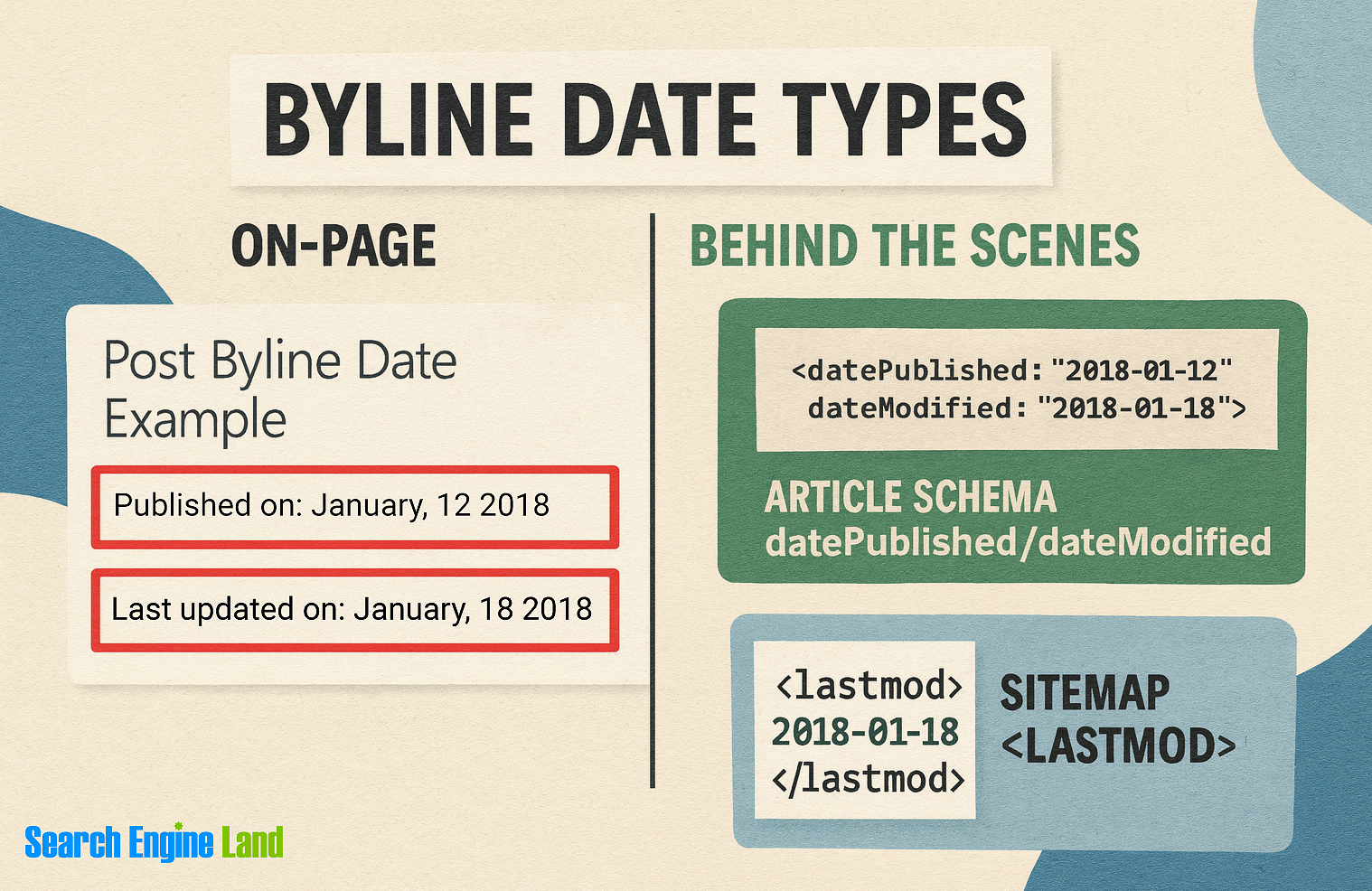
In the world of journalism, blogging, and digital publishing, the term byline holds significant importance. Whether you read newspapers, browse online articles, or manage a content website, understanding the byline definition is essential. A byline is more than just a name under a headline—it represents credibility, ownership, and accountability in content creation.
This detailed guide explains the byline definition, its purpose, types, examples, and how to use bylines effectively for and branding. If you are a writer, editor, blogger, or website owner, this article will help you master everything related to bylines.
What Is a Byline? (Byline Definition Explained)
The byline definition refers to a line of text in an article that identifies the author who wrote the content. It usually appears below the headline or at the beginning or end of an article.
In simple terms, a byline tells readers who wrote the piece.
Basic Byline Definition
A byline is a short line in a publication that names the author of an article, report, or blog post.
Bylines are commonly used in:
- Newspapers
- Magazines
- Blogs
- News websites
- Academic publications
Why the Byline Definition Matters in Writing
Understanding the byline definition is important because bylines serve several key purposes in content publishing.
1. Author Identification
A byline gives credit to the writer and establishes authorship.
2. Trust and Credibility
Readers are more likely to trust content when they know who wrote it.
3. Professional Recognition
Writers build personal brands and reputations through bylines.
4. SEO and E-E-A-T Signals
Search engines value transparent authorship, especially for informational content.
History of the Byline: How the Concept Evolved
The concept behind the byline definition dates back to early print journalism. In the 19th century, most newspaper articles were published anonymously. Over time, newspapers began adding author names to increase credibility and accountability.
By the 20th century:
- Bylines became standard in newspapers
- Famous journalists gained recognition through bylines
- Readers began following writers they trusted
Today, digital media has made bylines even more important for branding and
Types of Bylines in Modern Publishing
To fully understand the byline definition, it’s important to know the different types of bylines used today.
1. Standard Author Byline
This is the most common format.
Example:
By John Smith
Used in:
- Blogs
- News articles
- Opinion pieces
2. Multiple-Author Byline
When more than one person contributes to an article.
Example:
By Sarah Khan and Ahmed Raza
This type of byline is common in:
- Research articles
- Investigative journalism
3. Organizational Byline
Sometimes articles are credited to a company or organization instead of an individual.
Example:
By Editorial Team
This approach is often used in:
- Corporate blogs
- News agencies
4. Guest Author Byline
Used when content is written by a guest contributor.
Example:
Guest Post by Michael Brown
Guest bylines help expand reach and build backlinks.
5. Anonymous or No Byline
Rare today, but still used in sensitive topics.
Example:
By Staff Writer
Where Does a Byline Appear in an Article?
Based on the byline definition, the placement of a byline is important for visibility.
Common placements include:
- Below the headline
- Above the article content
- At the end of the article
Example Layout:
Headline
By Ahmed Raza
Article content starts here…
Byline Definition in Journalism vs Blogging
While the byline definition remains similar, its usage varies across platforms.
In Journalism
- Focus on credibility
- Often includes reporter title
- May include location
Example:
By Lisa Taylor, Senior Correspondent
In Blogging
- Focus on personal branding
- Often links to author bio
- Includes social profile
Importance of Byline Definition for
Understanding the byline definition is crucial for, especially after Google’s emphasis on E-E-A-T (Experience, Expertise, Authoritativeness, Trustworthiness).
How Bylines Help
- Improve content transparency
- Increase user trust
- Support author authority
- Reduce bounce rate
Adding author schema markup further enhances performance.
Byline Definition and Google E-E-A-T Guidelines
Google prefers content written by identifiable authors. A clear byline supports:
- Experience – Shows real human involvement
- Expertise – Author credentials matter
- Authoritativeness – Recognizable names perform better
- Trustworthiness – Transparency builds trust
Without a proper byline, content may struggle to rank in competitive niches.
Examples of Byline Definition in Real Content
Here are a few real-world examples to clarify the byline definition:
News Website Example
By Emma Johnson, Technology Reporter
Blog Example
Written by Ahmed Raza – Digital Marketing Expert
Magazine Example
By Editorial Desk
Each example follows the same basic byline definition: identifying authorship.
How to Write a Perfect Byline (Step-by-Step)
If you want to apply the byline definition correctly, follow these best practices.
1. Use Real Names
Avoid fake or generic names unless necessary.
2. Keep It Simple
Short and clear is best.
3. Add Authority
Include job titles or expertise when relevant.
4. Link to Author Bio
This boosts SEO and trust.
5. Stay Consistent
Use the same name format across all articles.
Common Mistakes Related to Byline Definition
Even though the byline definition is simple, many publishers make mistakes.
Mistake 1: No Byline at All
Hurts credibility and SEO.
Mistake 2: Keyword Stuffing
Avoid adding keywords unnaturally in bylines.
Mistake 3: Fake Authors
Google may penalize misleading authorship.
Mistake 4: Inconsistent Names
Confuses search engines and readers.
Byline Definition in Academic and Research Writing
In academic writing, the byline definition extends beyond just a name.
It may include:
- Author name
- Institutional affiliation
- Email address
Example:
By Dr. Sarah Malik, University of Lahore
Legal and Ethical Importance of Bylines
Bylines are also legally important.
Ethical Role:
- Prevent plagiarism
- Protect intellectual property
Legal Role:
- Establish content ownership
- Support copyright claims
Understanding the byline definition helps writers protect their work.
Byline vs Author Bio: What’s the Difference?
Many people confuse bylines with author bios.
Byline
- Short
- Appears near headline
- Names the author
Author Bio
- Longer
- Appears at end or sidebar
- Explains expertise
Both work together to strengthen content quality.
Since you mentioned Rank Math, here’s how to align with it while respecting the byline definition.
Rank Math Best Practices:
- Use author schema
- Avoid keyword stuffing in byline
- Use real author profiles
Future of Byline Definition in Digital Media
The importance of the byline_definition will continue to grow as:
- AI content increases
- Google tightens quality guidelines
- Readers demand transparency
Clear bylines will become a major ranking and trust factor.
Frequently Asked Questions About Byline Definition
What is the simplest byline definition?
A byline is a line that names the author of an article.
Is a byline necessary for blogs?
Can a company name be a byline?
Yes, but individual authors perform better for.
Where should a byline be placed?
Below the headline or at the beginning of the article.
Final Thoughts on Byline_Definition
Understanding the byline_definition is essential for anyone involved in writing or publishing content. A byline is not just a formality—it is a powerful tool for credibility, branding and reader trust.
Whether you run a blog, manage a news website, or write professionally, always use bylines correctly and consistently. When applied properly, a byline strengthens your content and improves long-term search engine performance.
