




In the professional world, insubordination is a common yet serious challenge that organizations face. It refers to the deliberate refusal to obey orders or follow established workplace rules. Left unaddressed, insubordination can negatively impact productivity, morale, and team cohesion. Understanding the concept, causes, and management strategies of insubordination is crucial for both managers and employees.
This comprehensive guide explores everything about insubordination, including definitions, types, examples, causes, effects, legal aspects, and strategies to prevent it in the workplace.
What Is Insubordination?
Insubordination is the act of willfully disobeying or ignoring authority in a professional or organizational setting. It goes beyond minor disagreements and reflects a lack of respect for hierarchical structures.
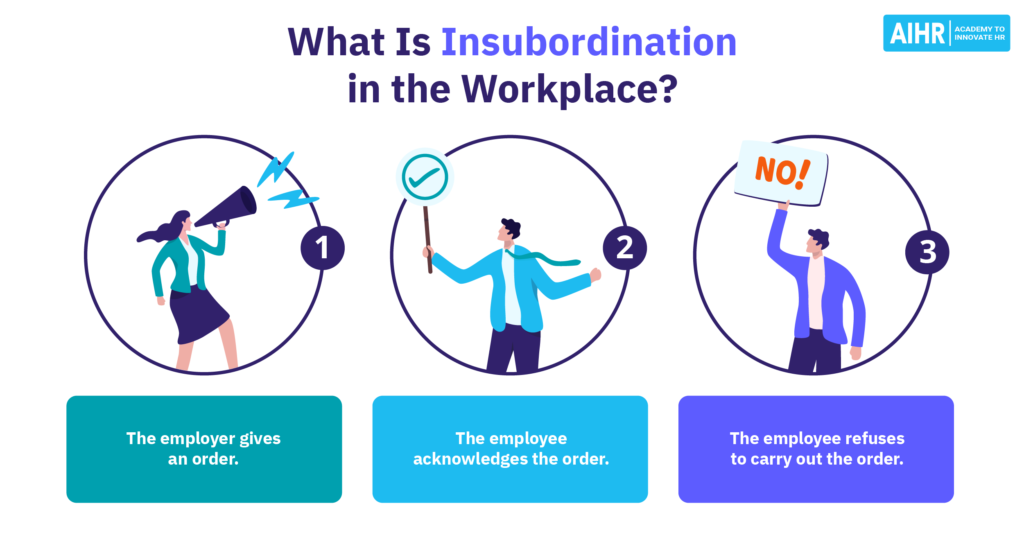
Key Features of Insubordination:
- Refusal to follow direct orders
- Open defiance against authority
- Undermining managerial decisions
- Disrespectful behavior toward supervisors
Understanding insubordination helps organizations identify serious breaches of workplace norms and maintain a productive environment.
Examples of Insubordination
Recognizing insubordination in real situations is vital for effective management. Common examples include:
- Refusing to complete assigned tasks
- Talking back to supervisors in a disrespectful manner
- Ignoring company policies deliberately
- Publicly criticizing management decisions
- Repeatedly arriving late or ignoring attendance rules
These behaviors disrupt workplace harmony and indicate a deeper issue than occasional non-compliance.
Types of Insubordination
Insubordination can be categorized into various types based on severity and context:
1. Passive Insubordinatio
Occurs when employees subtly ignore instructions without openly challenging authority. Examples include procrastination, incomplete work, or neglecting minor tasks.
2. Active Insubordinatio
Involves direct confrontation or refusal to comply with orders. Examples include arguing with a manager, open refusal, or deliberate violation of rules.
3. Verbal Insubordinatio
Disrespectful communication or criticism directed toward supervisors, often in meetings or public forums.
4. Physical Insubordination
Extreme cases may involve threats, aggressive behavior, or refusal to participate in essential activities.
Understanding these types helps managers apply appropriate disciplinary measures for insubordinatio.
Causes of Insubordination
Insubordination is rarely random; it usually has underlying causes. Identifying these reasons can help prevent escalation.
1. Poor Communication
Misunderstandings or unclear instructions often lead to insubordinatio. Employees may feel unfairly treated or misinformed.
2. Lack of Respect for Authority
Some employees naturally resist authority or hierarchical structures, which increases the risk of insubordination.
3. Job Dissatisfaction
Low morale, unfair treatment, or dissatisfaction with compensation can trigger insubordinatio as employees express frustration.
4. Personality Conflicts
Clashes between employees and supervisors, including differences in values or communication styles, can cause insubordination.
5. Stress and Burnout
Overworked employees may become defiant or dismissive, resulting in passive or active insubordinatio.
Effects of Insubordination in the Workplace
Ignoring insubordinatio can harm organizations in multiple ways:
1. Reduced Productivity
Disobedience leads to delays, mistakes, and inefficiency.
2. Poor Team Morale
Other employees may feel frustrated or demotivated when witnessing insubordinatio
3. Increased Conflicts
Open defiance often sparks arguments and disrupts workflow.
4. Loss of Respect for Management
Unchecked insubordination can weaken authority and organizational hierarchy.
Legal Perspective on Insubordinatio
Insubordination is not only a workplace issue but may also have legal implications depending on the context:
Employment Contracts
Most organizations include clauses regarding compliance and discipline. Insubordinatio can be a valid reason for warnings or termination.
Labor Laws
Laws differ by region, but employers usually have the right to discipline employees for intentional insubordination, provided it does not violate labor protections.
Documentation
Managers are advised to document incidents of insubordinatio to protect the organization legally and ensure fairness.
How to Manage Insubordinatio
Managing insubordinatio effectively requires proactive strategies:
1. Clear Communication
Provide unambiguous instructions and expectations. This reduces misunderstandings that may lead to insubordinatio.
2. Consistent Policies
Enforce rules and procedures consistently to avoid perceptions of favoritism or unfair treatment.
3. Training and Development
Teach managers conflict resolution, communication, and leadership skills to handle insubordinatio constructively.
4. Feedback and Counseling
Engage in one-on-one discussions with employees exhibiting insubordinatio to understand the root cause and find solutions.
5. Progressive Discipline
Use warnings, performance improvement plans, and formal disciplinary measures as needed.
Tips for Employees to Avoid Insubordinatio
Employees also play a role in preventing insubordinatio:
- Communicate respectfully with supervisors
- Seek clarification before refusing tasks
- Manage stress and emotions
- Follow workplace rules and guidelines
- Address grievances through proper channels
Following these practices helps maintain a professional environment and prevents unnecessary conflicts.
Insubordinatio vs. Constructive Feedback
It is important to distinguish between insubordinatio and valid feedback. Employees expressing concerns respectfully is constructive, while insubordinatio involves defiance and disrespect.
- Constructive feedback is welcomed and improves workflow
- Insubordination undermines authority and disrupts operations
This distinction ensures fairness and maintains a positive work culture.
Preventing Insubordination in Organizatio
Proactive measures reduce the risk of insubordinatio
- Foster open communication
- Recognize employee contributions
- Address workplace conflicts early
- Provide leadership training
- Maintain transparent rules and expectations
Organizations that focus on prevention enjoy better morale and productivity.
Examples of Insubordinatio Cases
Real-world examples help illustrate how insubordination manifests:
- Employee refusing to follow safety protocols
- Team member openly criticizing management decisions during meetings
- Staff member deliberately ignoring company policy
- Repeatedly missing deadlines despite warnings
Each case requires a tailored response to manage insubordinatio effectively.
The Role of Leadership in Handling Insubordinatio
Strong leadership is key to preventing and resolving insubordinatio.
Leadership Best Practices:
- Lead by example
- Communicate expectations clearly
- Address minor issues early
- Provide support and guidance
- Enforce discipline fairly
Effective leadership creates a culture where insubordinatio is minimized.
Psychological Factors Behind Insubordinatio
Understanding psychology can help explain insubordinatio
- Need for autonomy and independence
- Resistance to perceived unfairness
- Personality traits like stubbornness or rebelliousness
- Emotional responses to stress or pressure
Managers who understand these factors can handle insubordinatio with empathy and strategy.
Conclusion
Insubordinatio is a serious workplace issue that affects productivity, team morale, and organizational culture. By understanding the causes, types, and effects, managers can implement effective strategies to prevent and manage it. Employees also play a role by maintaining professionalism, communicating respectfully, and addressing grievances constructively.
Recognizing the difference between constructive feedback and insubordinatio ensures fairness and maintains a positive work environment. Through clear communication, consistent policies, and strong leadership, organizations can minimize the impact of insubordination and promote a culture of respect, accountability, and collaboration.
