




Introduction
Cloud storage has become an essential part of modern digital life. From backing up personal photos to managing business documents, millions of users rely on online storage services daily. However, concerns around privacy, pricing, data ownership, and long-term reliability have pushed many users to look for cloud storage alternatives that better suit their needs.
Cloud Storage Alternatives Whether you are an individual user, a freelancer, or a business owner, exploring alternatives can help you gain more control, security, and flexibility. This comprehensive guide covers what cloud storage alternatives are, why people seek them, the different types available, and how to choose the best option for your use case.
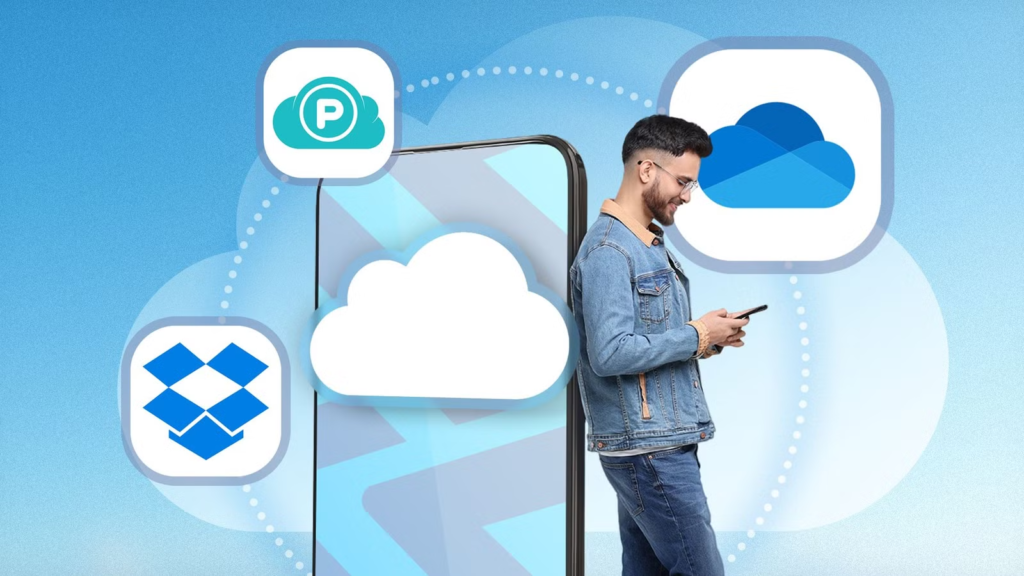
Why People Are Searching for Cloud Storage Alternatives
While mainstream cloud services are convenient, they are not always ideal for everyone. Users often explore cloud storage alternatives for several key reasons.
Privacy and Data Control Concerns
Many popular platforms scan user data or store it in centralized servers, raising concerns about:
- Data tracking
- Government surveillance
- Third-party access
Privacy-focused users often prefer alternatives that offer stronger encryption or self-hosted solutions.
Rising Subscription Costs
Cloud storage subscriptions can become expensive over time, especially for:
- Large storage needs
- Businesses with multiple users
- Long-term archival data
Affordable or one-time payment alternatives are increasingly attractive.
Vendor Lock-In Issues
Switching providers can be difficult due to:
- Proprietary file formats
- Limited export options
- Ecosystem dependency
This motivates users to explore flexible cloud storage alternatives.
Types of Cloud Storage Alternatives
Not all alternatives work the same way. Understanding the different categories helps you make an informed decision.
Self-Hosted Cloud Storage Alternatives
Self-hosted solutions allow users to run their own cloud server.
Key features include:
- Full control over data
- No third-party storage
- Custom security settings
These options are ideal for tech-savvy users and businesses prioritizing data ownership.
Cloud Storage Alternatives Focused on Privacy
Privacy-first platforms are designed to keep user data secure through strong encryption.
End-to-End Encrypted Storage
These services ensure that:
- Only the user can access data
- Providers cannot read files
- Encryption keys remain private
This type of cloud storage alternative is popular among journalists, activists, and professionals handling sensitive data.
Decentralized Cloud Storage Alternatives Explained
Decentralized storage distributes files across multiple nodes instead of a single server.
How Decentralized Storage Works
- Files are split into encrypted pieces
- Data is stored across independent nodes
- No single point of failure
This approach improves resilience and censorship resistance.
Offline and Local Cloud Storage Alternatives
Not all alternatives require constant internet access.
Network-Attached Storage (NAS)
NAS systems allow users to:
- Store files locally
- Access data over a home network
- Enable remote access if needed
They act as personal cloud systems without third-party involvement.
Open-Source Cloud Storage Alternatives
Open-source platforms provide transparency and customization.
Benefits of Open-Source Storage
- Community-reviewed security
- No hidden tracking
- Custom feature development
These cloud storage alternatives are widely used by developers and enterprises.
Cloud Storage Alternatives for Businesses
Businesses often require scalable, compliant, and collaborative storage solutions.
Enterprise-Focused Alternatives
Key features businesses look for:
- Access controls
- Team collaboration
- Audit logs
- Compliance support
Alternative platforms often offer more customization than mainstream providers.
Cloud Storage Alternatives for Personal Use
For individual users, simplicity and affordability matter most.
Ideal Features for Personal Storage
- Easy file syncing
- Photo and video backup
- Cross-device compatibility
- Minimal learning curve
Many alternatives are designed specifically with personal users in mind.
Comparing Cloud Storage Alternatives With Traditional Cloud Services
Storage Flexibility
Alternatives often allow:
- Custom storage limits
- External drive integration
- Multiple storage locations
Traditional services usually restrict flexibility.
Security Differences
Cloud storage alternatives frequently offer:
- Zero-knowledge encryption
- Self-managed keys
- Enhanced access control
These features are not always available in mainstream platforms.
Performance and Speed Considerations
Speed can vary depending on the alternative you choose.
Factors Affecting Performance
- Server location
- Internet connection
- Encryption overhead
- Hardware quality (for self-hosted options)
Understanding these factors helps optimize performance.
Cloud Storage Alternatives and Data Backup Strategies
Using alternatives does not mean compromising on backups.
Smart Backup Practices
- Follow the 3-2-1 backup rule
- Use multiple storage types
- Automate backups where possible
Many cloud storage alternatives support advanced backup configurations.
Cost Analysis of Cloud Storage Alternatives
One-Time vs Subscription Costs
Some alternatives offer:
- Lifetime licenses
- Hardware-based investment
- Lower recurring costs
This can significantly reduce long-term expenses.
Cloud Storage Alternatives for Collaboration
Collaboration is no longer exclusive to mainstream platforms.
Collaborative Features to Look For
- Shared folders
- Version control
- Permission management
- Real-time editing support
Many alternatives now match or exceed standard collaboration tools.
Security Risks and Limitations of Cloud Storage Alternatives
While alternatives offer benefits, they also come with responsibilities.
Common Challenges
- Manual updates
- Maintenance requirements
- Learning curve
- Hardware failure risks
Understanding these limitations helps set realistic expectations.
How to Choose the Best Cloud Storage Alternative
Choosing the right option depends on your priorities.
Key Decision Factors
- Privacy requirements
- Technical expertise
- Budget constraints
- Storage size needs
- Collaboration demands
Evaluating these factors ensures the best long-term fit.
Cloud Storage Alternatives for Remote Work
Remote workers rely heavily on file access and synchronization.
Essential Features for Remote Teams
- Secure remote access
- Multi-device syncing
- File version history
- Offline access
Alternatives designed for remote work can rival traditional cloud platforms.
Future Trends in Cloud Storage Alternatives
The demand for alternatives continues to grow.
Emerging Trends
- Increased decentralization
- AI-powered file management
- Hybrid cloud-local systems
- Stronger privacy regulations
These trends indicate a shift toward user-controlled storage solutions.
Common Myths About Cloud Storage Alternatives
Myth 1: Alternatives Are Only for Tech Experts
Many modern platforms offer user-friendly interfaces.
Myth 2: Alternatives Are Less Secure
In many cases, alternatives provide stronger encryption than mainstream services.
Myth 3: Alternatives Lack Reliability
With proper setup, alternatives can be just as reliable.
Use Cases Where Cloud Storage_Alternatives Make Sense
- Privacy-sensitive work
- Long-term data archiving
- Cost-conscious users
- Businesses needing customization
- Users avoiding vendor lock-in
These scenarios highlight the practical value of alternatives.
Final Thoughts on Cloud Storage Alternatives
The growing interest in cloud storage_alternatives reflects a broader shift toward privacy, control, and flexibility. While traditional cloud platforms still serve many users well, alternatives offer powerful solutions for those seeking greater autonomy over their data.
From self-hosted systems to privacy-focused and decentralized platforms, there is no one-size-fits-all solution. The best choice depends on your technical skills, security expectations, and long-term storage goals.
By understanding the available options and carefully evaluating your needs, you can confidently choose a cloud storage alternative that aligns with your digital lifestyle—without sacrificing performance or security.
