



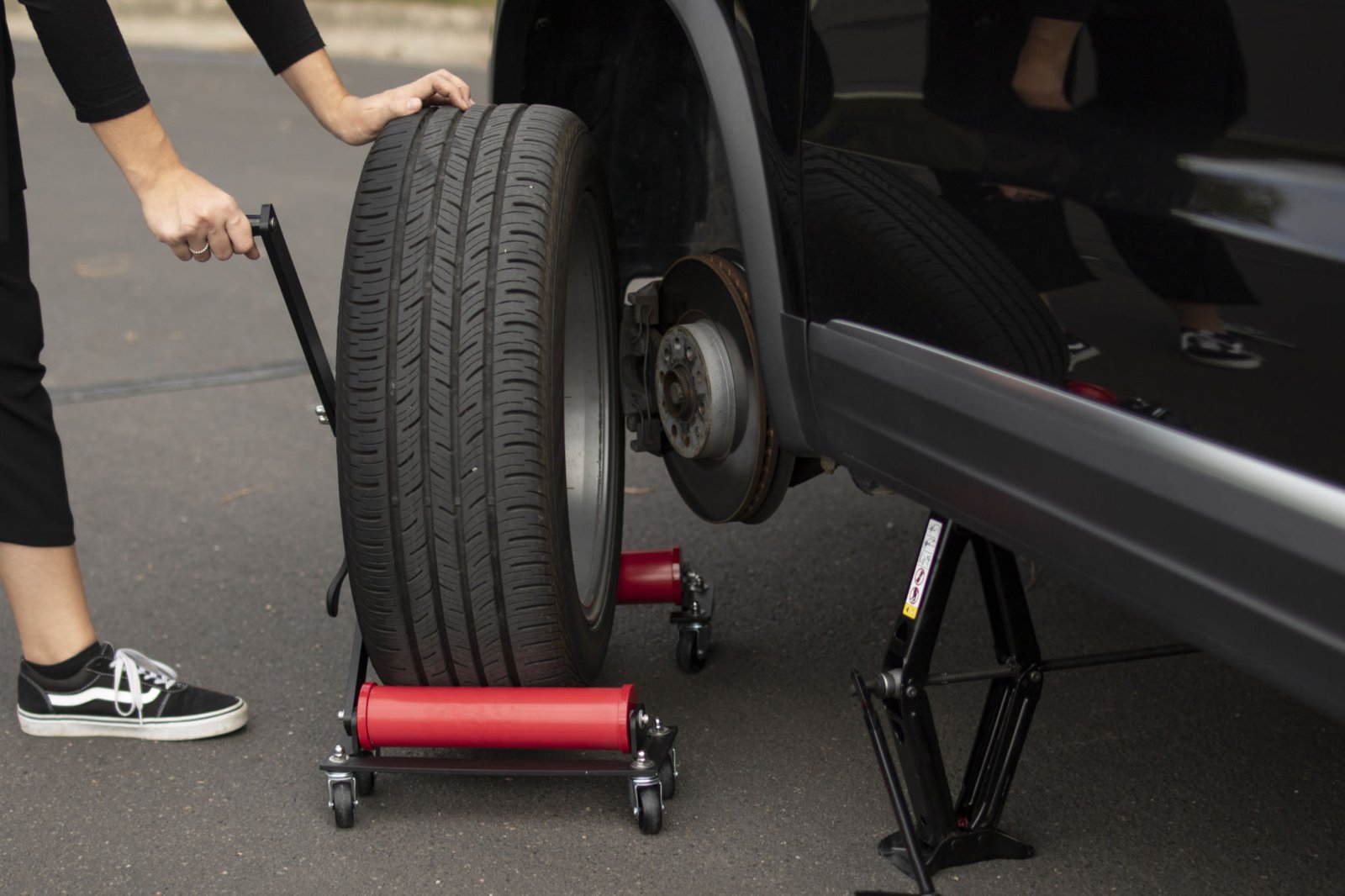
Knowing how to change a tire is one of the most valuable basic car skills every driver should have. Flat tires can happen anywhere—on highways, city roads, or remote areas—and knowing what to do can save time, money, and stress. Whether you’re a new driver or someone who has never changed a tire before, this detailed guide will walk you through the entire process safely and confidently.
This article explains how to change a tire step by step, what tools you need, common mistakes to avoid, and safety tips to follow in real-life situations.
Why Learning How to Change a Tire Is Important
Understanding how to change a tire gives you independence and peace of mind. Instead of waiting hours for roadside assistance, you can get back on the road quickly.
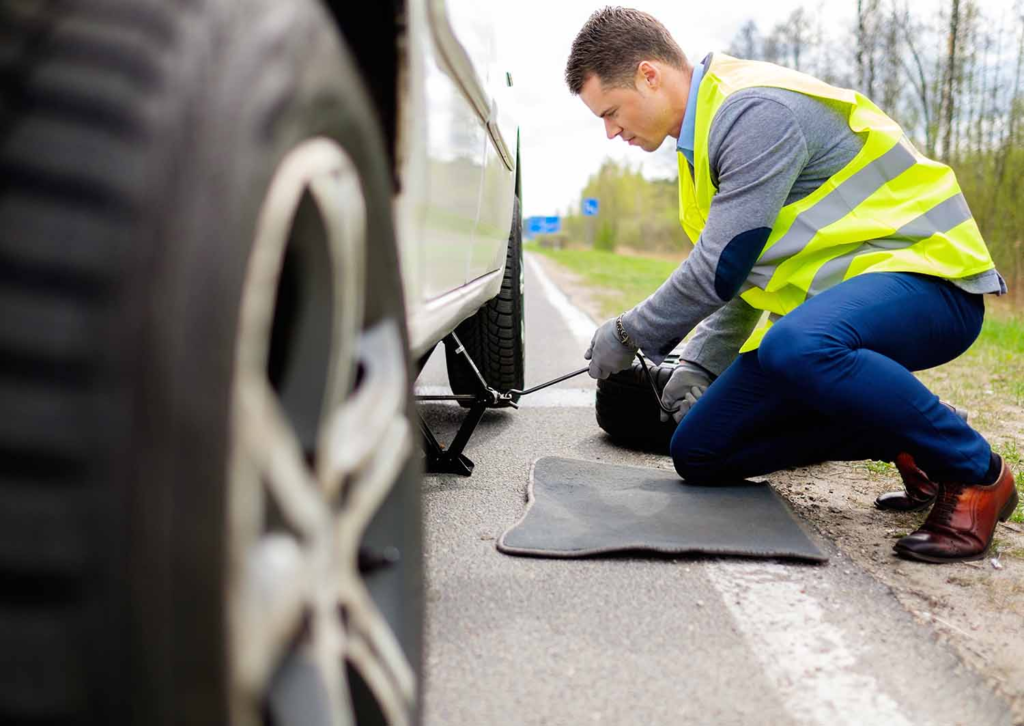
Key benefits include:
- Saves money on towing or service calls
- Useful in emergencies or remote areas
- Builds confidence as a driver
- Improves basic vehicle knowledge
Even if you rarely drive, this skill is essential.
Common Reasons Tires Go Flat
Before learning how to change a tire, it’s helpful to understand why tires fail in the first place.
Common causes include:
- Sharp objects like nails or glass
- Low tire pressure
- Worn-out tread
- Valve stem damage
- Hitting potholes or curbs
Most modern vehicles include a spare tire for these situations.
Tools You Need to Change a Tire
To properly understand how to change a tire, you must know what tools are required. Most cars come with these tools in the trunk.
Essential Tools
- Spare tire (full-size or temporary)
- Jack
- Lug wrench
- Wheel wedges or blocks
Optional but Helpful Tools
- Flashlight
- Gloves
- Reflective warning triangle
- Tire pressure gauge
Always check your trunk periodically to ensure these tools are present and usable.
Safety First: What to Do Before Changing a Tire
Safety is the most important part of learning how to change a tire.
Step 1: Pull Over Safely
- Move to a flat, stable surface
- Avoid curves or slopes
- Turn on hazard lights
Step 2: Secure the Vehicle
- Engage the parking brake
- Place wheel wedges behind the tires
- Turn off the engine
Never attempt to change a tire in moving traffic if it’s unsafe.
How to Change a Tire Step by Step
This section explains how to change a tire in a simple and beginner-friendly way.
Step 1: Loosen the Lug Nuts
Before lifting the vehicle:
- Use the lug wrench to loosen lug nuts
- Turn counterclockwise
- Do not remove them completely
Loosening them while the tire is still on the ground prevents wheel spinning.
Step 2: Position the Jack Correctly
Knowing where to place the jack is critical when learning how to change a tire.
- Locate the jack point near the wheel
- Refer to your vehicle’s manual
- Place the jack on solid metal
Incorrect jack placement can damage your car or cause injury.
Step 3: Raise the Vehicle
- Slowly raise the car using the jack
- Lift until the flat tire is off the ground
- Ensure the vehicle is stable
Never place any part of your body under the vehicle while it’s lifted.
Step 4: Remove the Lug Nuts and Flat Tire
- Fully remove loosened lug nuts
- Place them somewhere safe
- Pull the flat tire straight off
This is a key moment in understanding how to change a tire efficiently.
Step 5: Mount the Spare Tire
- Align the spare tire with the wheel bolts
- Push until it sits flush
- Hand-tighten the lug nuts
Make sure the spare is properly seated before lowering the car.
Step 6: Lower the Vehicle
- Slowly lower the car back to the ground
- Remove the jack
Once the vehicle is fully lowered, it’s time to secure the tire.
Step 7: Tighten the Lug Nuts Properly
- Use the lug wrench
- Tighten nuts in a star pattern
- Apply firm pressure
This ensures even tightening and prevents wheel wobble.
Final Step: Check Tire Pressure
If possible:
- Use a tire pressure gauge
- Inflate the spare if needed
Temporary spare tires usually have lower speed and distance limits.
How Long Does It Take to Change a Tire?
For beginners:
- 20–30 minutes on average
With practice:
- 10–15 minutes
Learning how to change a tire becomes faster with experience.
Temporary Spare Tire vs Full-Size Spare
Temporary (Donut) Spare
- Lighter and smaller
- Limited speed (usually 50 mph)
- Short-distance use only
Full-Size Spare
- Same size as regular tire
- Can be driven normally
- Heavier and takes more space
Knowing your spare type is part of mastering how to change a tire.
Common Mistakes to Avoid When Changing a Tire
Many first-timers make avoidable mistakes.
Common errors include:
- Forgetting the parking brake
- Not loosening lug nuts before lifting
- Jack placed incorrectly
- Overtightening lug nuts
- Driving too long on a spare tire
Avoiding these mistakes makes the process safer and easier.
When You Should NOT Change a Tire Yourself
Sometimes, changing a tire yourself is not safe.
Avoid doing it if:
- You’re on a busy highway shoulder
- Weather conditions are extreme
- You lack proper tools
- The wheel or rim is damaged
In these cases, call roadside assistance.
How to Maintain Tires to Prevent Flats
Prevention is better than repair.
Tips include:
- Check tire pressure monthly
- Inspect tread depth
- Rotate tires regularly
- Avoid potholes and debris
Good maintenance reduces the need to learn how to change a tire in emergencies.
How Often Should You Practice Changing a Tire?
Practicing at home is highly recommended.
- Try once every 6–12 months
- Use a safe, flat surface
- Familiarize yourself with tools
Practice builds confidence and speed.
Changing a Tire at Night or in Bad Weather
If you must change a tire in poor conditions:
- Use hazard lights
- Wear reflective clothing
- Use a flashlight or phone light
- Stay alert to surroundings
Safety awareness is critical when applying how to change a tire knowledge in real life.
Frequently Asked Questions (FAQs)
Can I drive on a flat tire?
No. Driving on a flat tire can damage the rim and suspension.
How far can I drive on a spare tire?
Most temporary spares allow 50–70 miles at reduced speed.
Do all cars come with spare tires?
Some newer cars come with repair kits instead.
Is it safe for beginners to change a tire?
Yes, if safety steps are followed carefully.
Final Thoughts on How to Change a Tire
Learning how to change a tire is a simple yet powerful skill that every driver should have. It empowers you to handle unexpected situations, reduces dependency on roadside services, and keeps you safe on the road.
By following the steps outlined in this guide and practicing occasionally, you’ll be prepared whenever a flat tire happens.
