



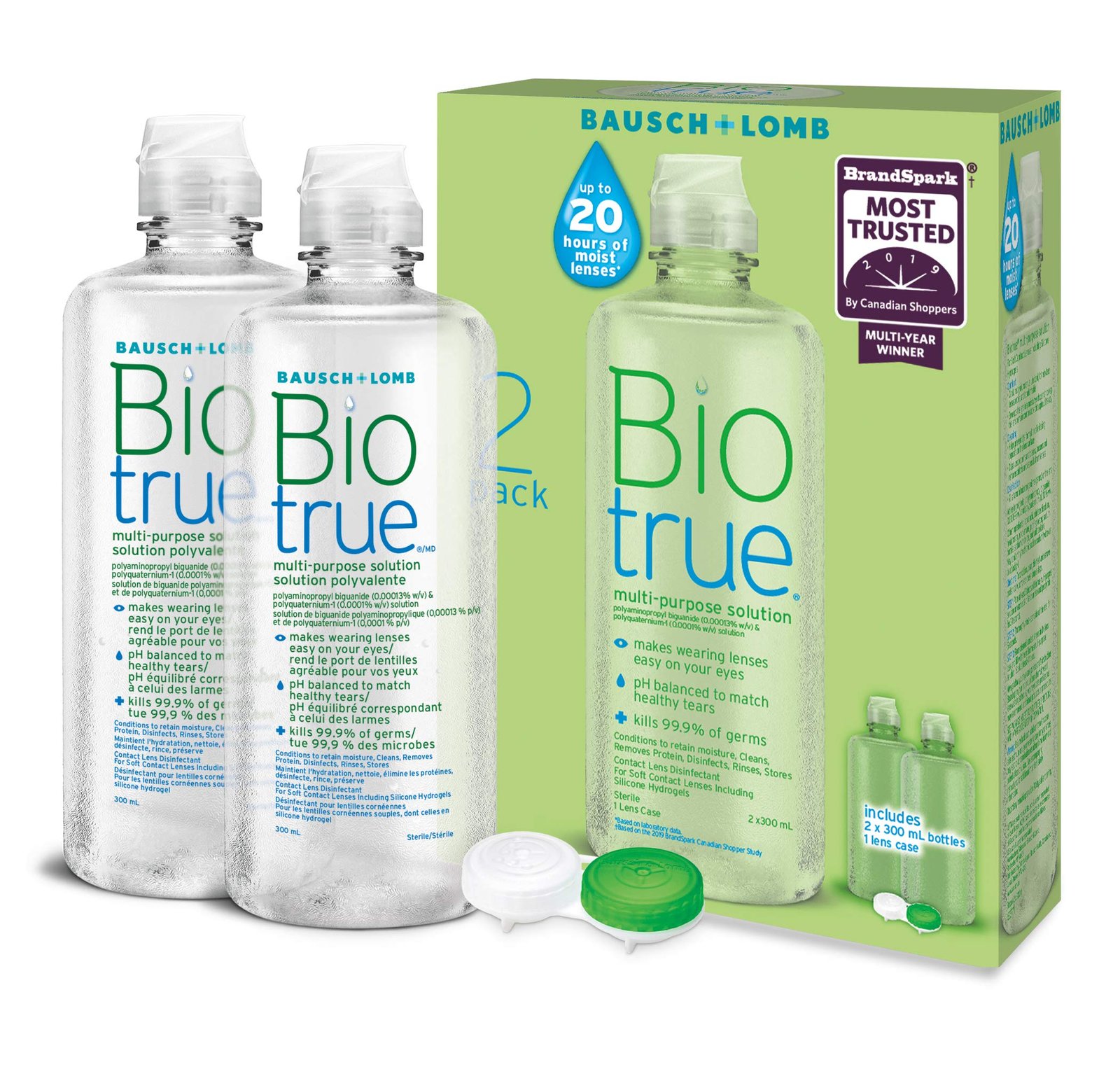
A contact solution is an essential product for millions of people who wear contact lenses every day. Proper lens care is critical not only for comfort but also for maintaining eye health and preventing infections. With so many types of contact solutions available on the market, choosing the right one can feel confusing.
This complete guide explains what a contact solution is, how it works, the different types available, safety tips, and how to choose the best contact solution for your eyes.
What Is a Contact Solution?
A contact solution is a specially formulated liquid used to clean, disinfect, rinse, and store contact lenses. Its primary purpose is to remove debris, protein deposits, bacteria, and other microorganisms that can accumulate on lenses during daily wear.
Unlike water or homemade mixtures, contact solutions are scientifically designed to be safe for the eyes while maintaining lens integrity.
Why Contact Solution Is Important for Eye Health
Using the correct contact solution is vital for preventing eye problems.
Benefits of Proper Contact_Solution Use
- Reduces risk of eye infections
- Removes protein and lipid deposits
- Keeps lenses hydrated and comfortable
- Extends the lifespan of contact lenses
- Maintains clear vision
Improper lens care is one of the most common causes of contact lens–related complications.
Types of Contact_Solution Available
There are several types of contact_solution, each designed for specific needs and lens types.
Multipurpose Contact_Solution
Multipurpose_solutions are the most commonly used type of contact solution.
Features
- Cleans, disinfects, rinses, and stores lenses
- Easy to use and time-saving
- Suitable for soft contact lenses
Who Should Use It?
- Beginners
- Daily contact lens users
- People looking for convenience
Hydrogen Peroxide Contact_Solution
Hydrogen peroxide–based contact_solution provides deep cleaning and disinfection.
Key Characteristics
- Strong disinfecting power
- Preservative-free
- Requires a neutralization step
Important Note
This type of contact solution must never be placed directly into the eyes without neutralization.
Saline Contact_Solution
Saline_solution is primarily used for rinsing and storing lenses.
What It Does
- Rinses lenses
- Keeps lenses moist
What It Does NOT Do
- Does not disinfect
- Does not remove protein deposits
Saline contact_solution is often used alongside other cleaning systems.
Enzymatic Contact_Solution
Enzymatic_solutions are designed for deep protein removal.
Best For
- Monthly or extended-wear lenses
- People prone to heavy protein buildup
These solutions are usually used weekly in addition to daily cleaning routines.
Contact_olution for Sensitive Eyes
Some people experience irritation or dryness with standard contact_solutions.
Features
- Preservative-free or low-preservative formulas
- Gentle ingredients
- Enhanced hydration
Choosing the right contact solution can significantly improve comfort for sensitive eyes.
How Contact_Solution Works
A contact_solution works through a combination of cleaning agents, disinfectants, and wetting agents.
Main Functions
- Cleaning: Removes dirt and debris
- Disinfecting: Kills bacteria and microorganisms
- Rinsing: Washes away loosened deposits
- Storing: Keeps lenses hydrated and sterile
Each step plays a role in safe lens wear.
How to Use Contact_Solution Correctly
Using contact_solution properly is just as important as choosing the right one.
Step-by-Step Guide
- Wash and dry hands thoroughly
- Place the lens in your palm
- Apply contact solution
- Gently rub the lens (if recommended)
- Rinse with fresh solution
- Store lenses in a clean case filled with solution
Never reuse old contact solution.
Common Mistakes When Using Contact_Solution
Avoiding common errors can protect your eye health.
Mistakes to Avoid
- Topping off old solution
- Using tap water instead of contact solution
- Skipping the rubbing step
- Not cleaning the lens case
- Using expired contact solution
These habits can increase the risk of eye infections.
Contact_Solution and Different Lens Types
Not all contact_solutions are compatible with every lens.
Soft Contact Lenses
Most multipurpose contact_solutions are designed for soft lenses.
Rigid Gas Permeable (RGP) Lenses
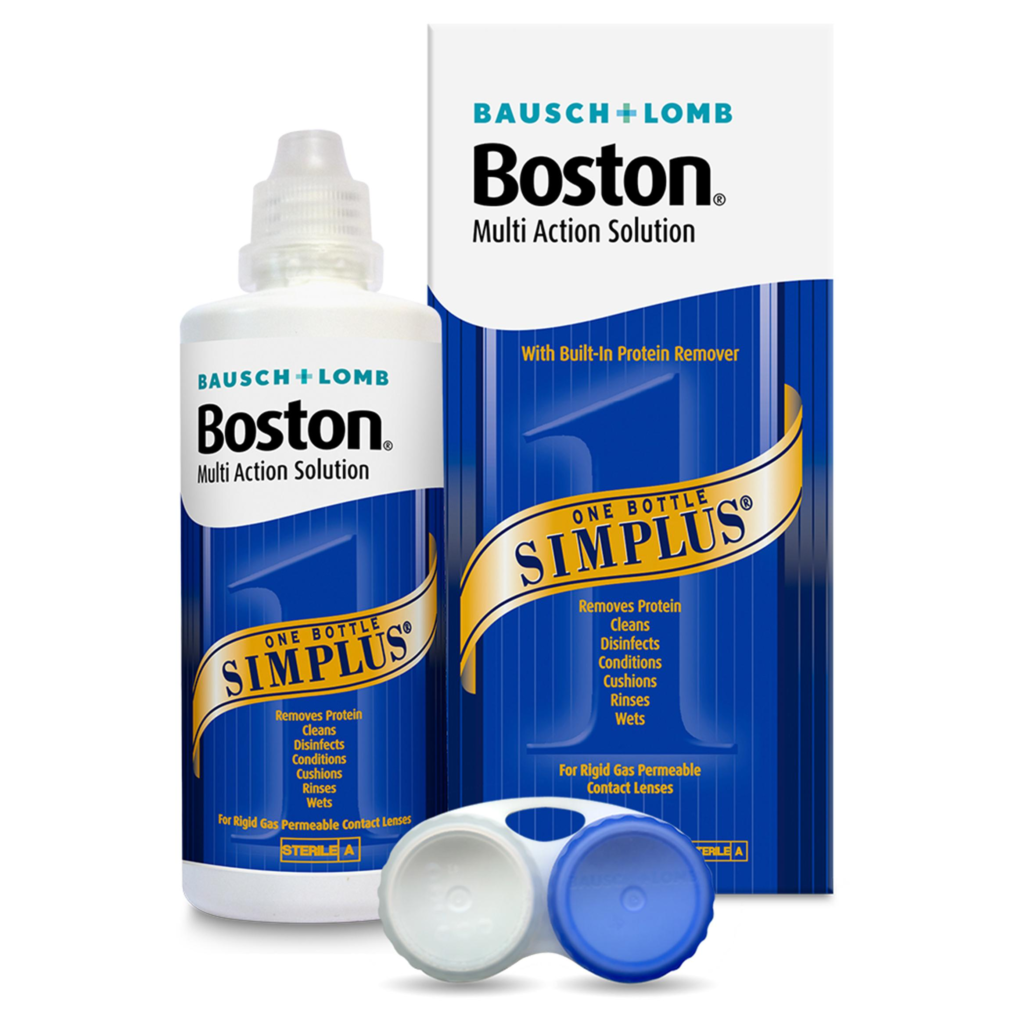
RGP lenses require specialized contact solutions.
Colored Contact Lenses
Even cosmetic lenses require proper contact solution care.
Always check compatibility before use.
Contact_Solution for Dry Eyes
Dry eye symptoms are common among contact lens users.
Helpful Ingredients
- Hyaluronic acid
- Lubricating agents
- Moisture-retaining compounds
Some contact solutions are specifically formulated to improve hydration throughout the day.
Contact_Solution Safety Tips
Using contact_solution safely helps prevent serious eye issues.
Essential Safety Guidelines
- Always use fresh solution
- Replace solution daily
- Keep bottle tip clean
- Close the bottle tightly after use
- Follow manufacturer instructions
Eye infections related to improper lens care can be severe.
How to Choose the Best Contact_Solution
Choosing the right contact_solution depends on several factors.
Consider These Points
- Type of contact lenses
- Eye sensitivity
- Dryness or allergy issues
- Lifestyle and convenience
- Recommendations from eye care professionals
What works for one person may not work for another.
Contact_Solution vs Contact Lens Drops
These products serve different purposes.
Contact_Solution
- Cleans and disinfects lenses
- Used before and after wear
Contact Lens Drops
- Relieve dryness
- Used while lenses are in the eyes
Never substitute one for the other.
Contact_Solution Storage and Shelf Life
Proper storage maintains solution effectiveness.
Storage Tips
- Keep at room temperature
- Avoid direct sunlight
- Check expiration dates
Using expired contact solution can increase infection risk.
Environmental Impact of Contact_Solution
With growing awareness of sustainability, contact lens users are becoming more eco-conscious.
Environmental Considerations
- Plastic waste from bottles
- Lens case disposal
- Recycling programs
Some brands now offer eco-friendly packaging options.
Contact Solution and Eye Infections
Improper use of contact solution is a major cause of eye infections.
Common Infections
- Bacterial keratitis
- Fungal infections
- Acanthamoeba keratitis
These conditions can be serious and require immediate medical attention.
Signs You Should Change Your Contact_Solution
Your eyes may signal when a contact solution isn’t right for you.
Warning Signs
- Burning or stinging
- Redness
- Blurry vision
- Excessive dryness
- Discomfort after insertion
If symptoms persist, consult an eye care professional.
Contact_Solution for Travel and Daily Life
Frequent travelers need extra care.
Travel Tips
- Carry travel-size contact solution
- Avoid using hotel water
- Keep lenses in proper cases
Daily routines should always prioritize lens hygiene.
Frequently Asked Questions About Contact_Solution
What is contact_solution used for?
Contact solution is used to clean, disinfect, rinse, and store contact lenses safely.
Can I use water instead of contact_solution?
No. Water can contain harmful microorganisms and should never be used.
How often should I change contact_solution?
You should use fresh contact solution every time you store your lenses.
Is hydrogen peroxide contact_solution better?
It offers deep cleaning but requires proper neutralization and careful use.
- Consistent search demand
- Health and consumer relevance
- Informational and commercial intent
- Long-term ranking potential
Accurate, well-structured content performs best for health-related searches.
Final Thoughts on Contact_Solution
A contact_solution is far more than just a liquid—it is a critical part of eye health and safe contact lens wear. Choosing the right solution, using it correctly, and following proper hygiene practices can help prevent discomfort and serious eye problems.
With many types of contact_solutions available, understanding your eyes’ needs is key. Whether you prioritize convenience, sensitivity, or deep cleaning, the right contact solution can make a noticeable difference in comfort and vision quality.
Always consult an eye care professional if you experience ongoing discomfort or have questions about which contact solution is best for you.
