



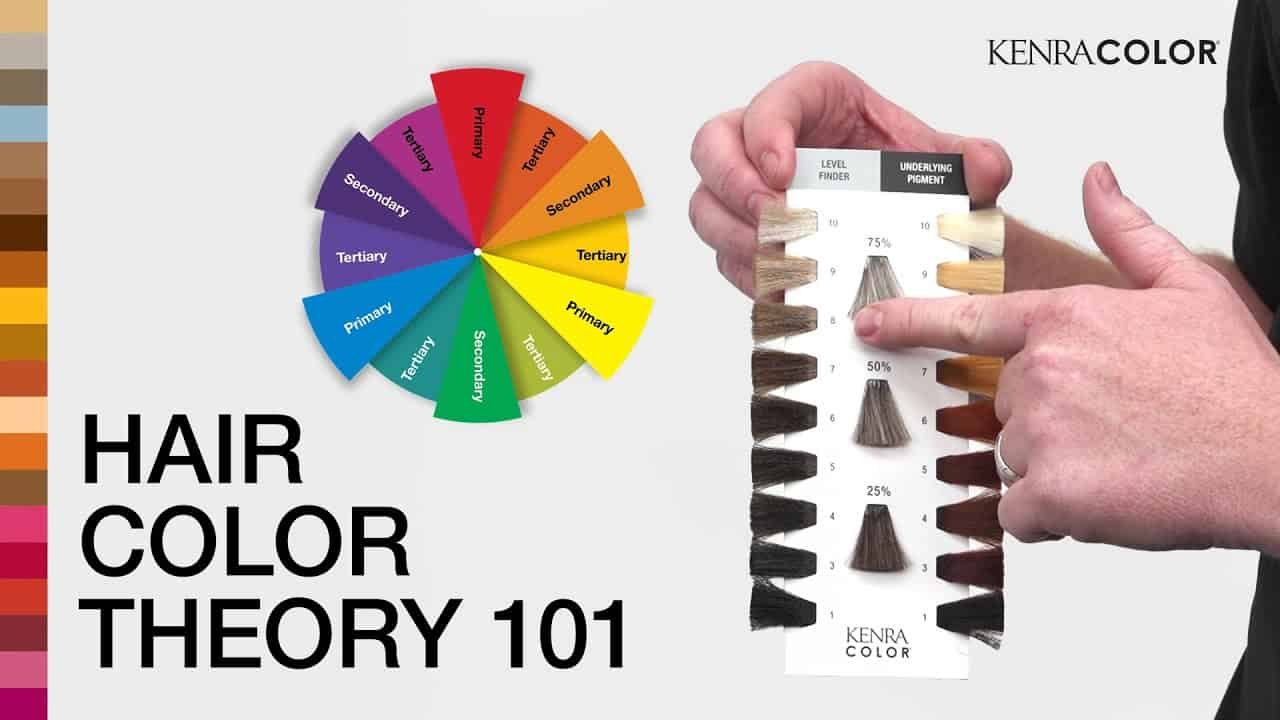
Introduction
Choosing the right hair color can feel overwhelming. With so many shades, tones, and trends, it’s easy to end up confused—or worse, disappointed. This is where the hair color wheel becomes your best friend. Think of it as a roadmap that helps you understand how colors work together and how to choose a shade that truly complements your look.
Whether you’re coloring your hair at home or sitting in a salon chair, understanding the hair color wheel can save you time, money, and frustration. In this guide, we’ll break it all down in a simple, practical way so anyone can use it confidently.
What Is a Hair Color Wheel?
The hair color wheel is a visual chart that shows how hair colors relate to one another. It’s based on traditional color theory and is widely used by professional hairstylists and colorists.
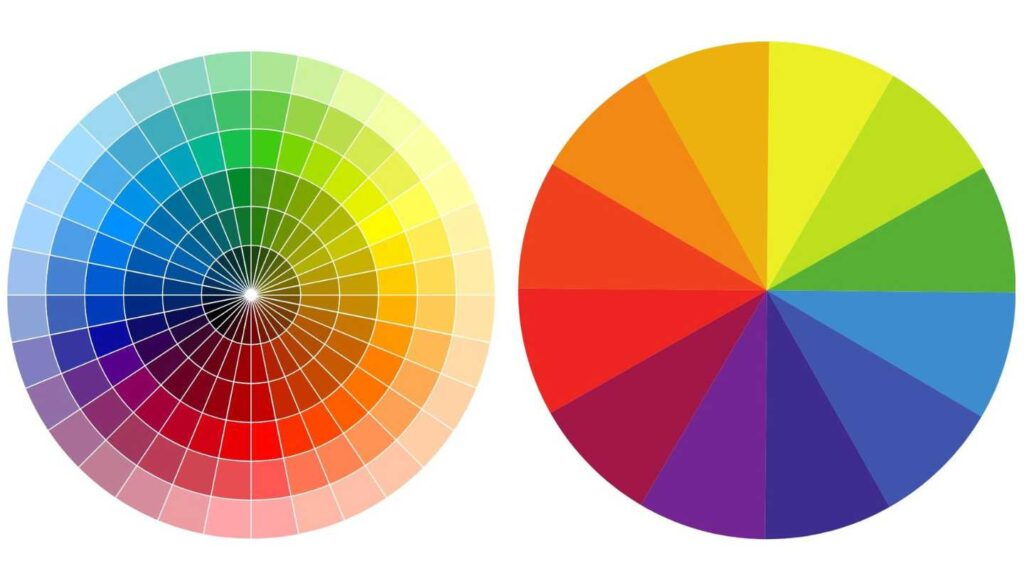
The wheel is divided into:
- Primary colors
- Secondary colors
- Tertiary colors
By understanding how these colors interact, you can predict how different shades will look, how to neutralize unwanted tones, and how to create balanced, flattering hair colors.
Why the Hair Color Wheel Is Important
Many hair color mistakes happen because people don’t understand undertones. The hair color wheel helps you avoid common problems like brassy blondes, greenish browns, or dull reds.
Benefits of Using the Hair Color Wheel
- Helps choose the right hair shade
- Corrects unwanted tones
- Improves color longevity
- Creates professional-looking results
Once you understand the basics, the hair color wheel becomes incredibly easy to use.
Understanding the Basics of the Hair Color Wheel
Primary Colors in the Hair Color Wheel
The foundation of the hair color wheel includes three primary colors:
- Red
- Blue
- Yellow
These colors cannot be created by mixing other colors. Every hair shade you see is made by combining these three in different proportions.
Secondary Colors on the Hair Color Wheel
Secondary colors are created by mixing two primary colors:
- Red + Yellow = Orange
- Blue + Yellow = Green
- Red + Blue = Violet
These shades play a huge role in hair toning and color correction.
Tertiary Colors and Their Role
Tertiary colors are blends of primary and secondary colors, such as red-orange or blue-violet. These are commonly used in professional hair dyes to achieve precise results.
Warm vs Cool Tones in the Hair Color Wheel
Understanding warm and cool tones is essential when working with the hair color wheel.
Warm Hair Colors Explained
Warm tones include:
- Golden blonde
- Copper
- Auburn
- Honey brown
These shades contain red, orange, or yellow undertones and often add warmth and brightness to the face.
Cool Hair Colors Explained
Cool tones include:
- Ash blonde
- Platinum
- Cool brown
- Blue-black
These shades contain blue, green, or violet undertones and are great for neutralizing warmth.
Complementary Colors on the Hair Color Wheel
One of the most powerful concepts of the hair color wheel is complementary colors. These are colors opposite each other on the wheel.
How Complementary Colors Work
Complementary colors cancel each other out. For example:
- Purple neutralizes yellow
- Blue neutralizes orange
- Green neutralizes red
This principle is widely used in toners and color-correcting shampoos.
Using the Hair Color Wheel for Color Correction
If your blonde looks too yellow, a purple toner helps. If your brown turns orange, a blue-based product corrects it. This is the hair color wheel in action.
How Stylists Use the Hair Color_Wheel
Professional colorists rely on the hair color wheel every day. It helps them:
- Predict color results
- Fix previous coloring mistakes
- Customize shades for clients
Even if you’re not a professional, learning the same system puts expert knowledge in your hands.
Hair Color_Wheel for Choosing the Right Hair Shade
Matching Hair Color with Skin Undertone
The hair color wheel works best when combined with your skin undertone:
- Warm skin tones suit warm hair colors
- Cool skin tones suit cool hair colors
- Neutral skin tones can wear both
Using the wheel helps you avoid shades that clash with your complexion.
Hair Color_Wheel for Natural-Looking Results
If you want natural-looking hair, stay close to your natural base color on the wheel. Dramatic shifts require more maintenance and expert toning.
Hair Color_Wheel for Blonde Hair
Blonde shades are especially sensitive to undertones.
Correcting Yellow with the Hair Color_Wheel
Yellow sits opposite purple on the wheel, which is why purple shampoo works so well for blondes.
Avoiding Brassy Blonde Shades
Using ash or violet-based toners keeps blonde hair cool and balanced.
Hair Color Wheel for Brunette Hair
Brunettes often struggle with orange or red tones.
Neutralizing Orange Tones
Blue-based products counteract orange shades effectively.
Maintaining Cool Brown Shades
Ash browns rely heavily on the hair color wheel to stay neutral and rich.
Hair Color_Wheel for Red Hair
Red hair is vibrant but tricky.
Enhancing Red Shades
Using colors adjacent to red on the wheel intensifies vibrancy.
Controlling Overpowering Red Tones
Green-based correctors help tone down excessive redness.
Using the Hair Color_Wheel at Home
You don’t need to be a stylist to use the hair color wheel.
At-Home Hair Coloring Tips
- Identify the unwanted tone
- Find its opposite on the wheel
- Choose products with the correct base
This simple method dramatically improves DIY hair coloring results.
Common Hair Coloring Mistakes the Hair Color_Wheel Can Prevent
Many mistakes happen due to ignoring undertones.
Over-Toning Hair
Using too much corrective color can lead to dull or tinted hair.
Choosing the Wrong Shade Level
The wheel helps balance tone, but level (lightness or darkness) still matters.
Hair Color_Wheel and Modern Hair Trends
Trendy colors like ash blonde, mushroom brown, and pastel shades all rely on the hair color wheel for balance.
Balayage and Ombre Techniques
Colorists use the wheel to blend shades seamlessly.
Fantasy and Creative Colors
Even bold colors like pink, blue, or silver follow wheel principles.
Hair Color_Wheel for Long-Term Hair Maintenance
Color doesn’t stop working after the salon visit.
Maintaining Tone Over Time
Purple, blue, or green shampoos are based directly on hair color wheel theory.
Extending Color Life
Balanced tones fade more evenly and last longer.
Is the Hair Color_Wheel Suitable for Everyone?
Yes. Regardless of age, gender, or hair type, the hair color wheel applies universally. Straight, curly, thick, or fine hair all follow the same color rules.
Conclusion: Why the Hair Color_Wheel Matters
The hair color _heel is more than a chart—it’s a powerful tool that takes the guesswork out of hair coloring. By understanding how colors interact, you can choose better shades, fix unwanted tones, and maintain beautiful hair for longer.
