



Eggs are one of the most common and nutritious foods found in kitchens around the world. They are versatile, affordable, and packed with protein. However, eating spoiled eggs can lead to food poisoning and serious health problems. That’s why knowing how to tell if eggs are bad is an essential kitchen skill for everyone.
In this detailed guide, you will learn reliable methods to check egg freshness, understand expiration dates, recognize signs of spoilage, and store eggs properly to extend their shelf life.
Why It’s Important to Know How to Tell If Eggs Are Bad
Consuming bad eggs can expose you to harmful bacteria such as Salmonella. Symptoms may include nausea, vomiting, diarrhea, and stomach cramps. Understanding how to tell if eggs are bad helps you protect your health and avoid unnecessary risks.
Fresh eggs are safe and nutritious, but spoiled eggs should never be eaten—even if they look almost normal.
Understanding Egg Expiration Dates
Many people rely only on dates printed on egg cartons, but these dates can be confusing.
Common egg date labels:
- Sell-by date – For store inventory management
- Best-before date – Indicates peak quality, not safety
- Expiration date – Last recommended date for consumption
Eggs can often be safe beyond these dates if stored properly. That’s why learning how to tell if eggs are bad using physical tests is more reliable than relying on dates alone.
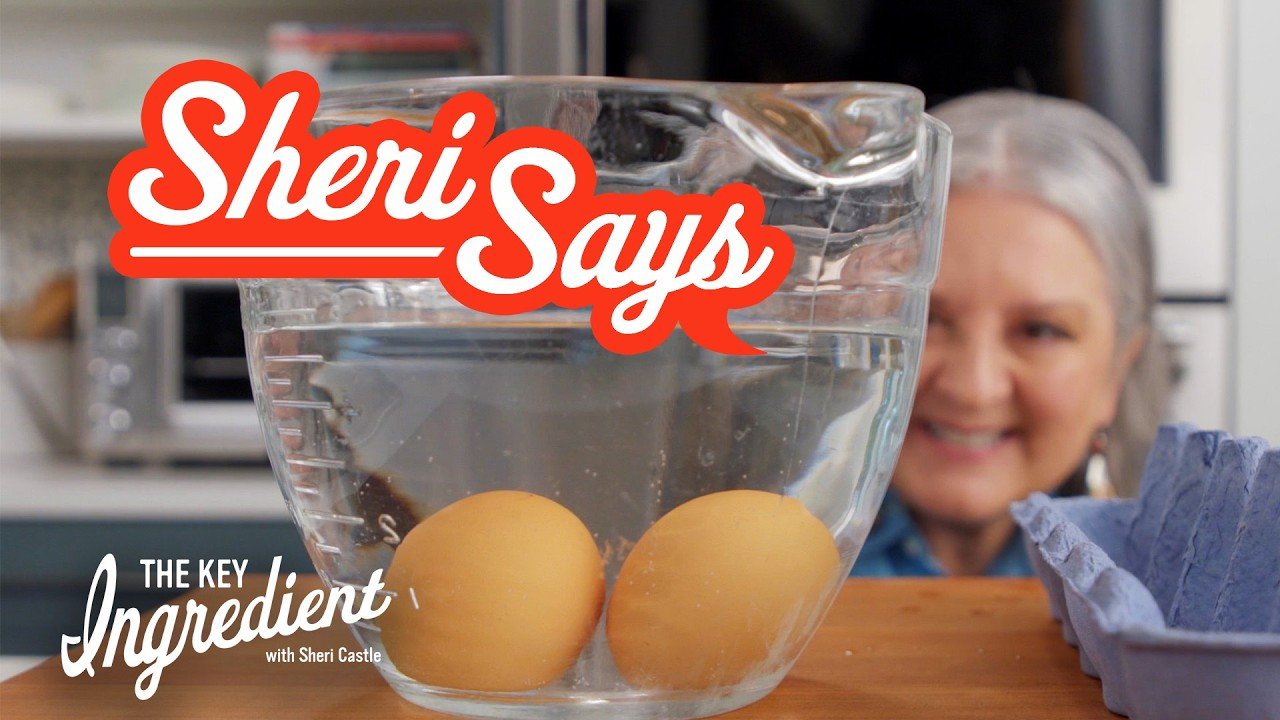
How to Tell If Eggs Are Bad Using the Float Test
One of the most popular methods for checking egg freshness is the float test.
How the float test works:
- Fill a bowl with cold water
- Gently place the egg inside
- Observe how it behaves
Results explained:
- Sinks and lies flat – Very fresh
- Sinks but stands upright – Still safe but not very fresh
- Floats to the top – Likely bad and should be discarded
The float test works because air builds up inside the egg as it ages.
How to Tell If Eggs Are Bad by Smelling Them
The smell test is one of the most reliable ways to identify spoiled eggs.
How to use the smell test:
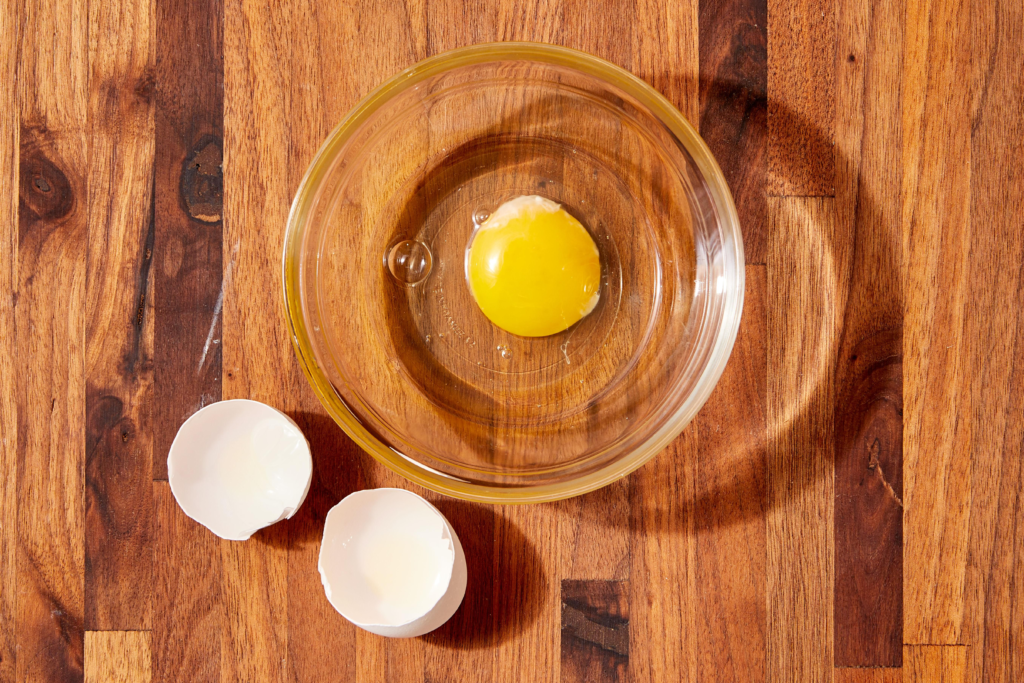
- Crack the egg into a separate bowl
- Smell it immediately
A fresh egg has little to no odor. A bad egg releases a strong sulfur or rotten smell. If you notice this odor, throw the egg away immediately.
Knowing how to tell if eggs are bad by smell can prevent accidental consumption of spoiled eggs.
How to Tell If Eggs Are Bad by Visual Inspection
Visual clues can also help determine egg quality.
What to look for before cracking:
- Cracked or slimy shells
- Powdery residue on the shell
- Unusual discoloration
After cracking the egg:
- Cloudy egg white (fresh eggs are cloudy, not clear)
- Runny or watery whites in old eggs
- Discolored yolk or whites
Any unusual appearance is a warning sign.
How to Tell If Eggs Are Bad by Touch
Touch can reveal spoilage before cracking.
Signs to feel for:
- Slimy or sticky shell
- Chalky texture
A slimy shell may indicate bacterial growth. If you notice this, do not use the egg.
How to Tell If Eggs Are Bad After Cooking
Sometimes eggs spoil even after cooking.
Signs cooked eggs may be bad:
- Strange taste
- Unpleasant smell
- Unusual texture
If something tastes or smells off, stop eating immediately.
How Long Do Eggs Last in the Refrigerator?
Understanding egg shelf life is part of knowing how to tell if eggs are bad.
Average egg lifespan:
- Raw eggs (refrigerated): 3–5 weeks
- Hard-boiled eggs (refrigerated): up to 7 days
- Egg whites (stored separately): 2–4 days
- Egg yolks (stored separately): 2 days
Proper refrigeration slows bacterial growth and keeps eggs fresh longer.
How Storage Affects Egg Freshness
Correct storage plays a major role in egg safety.
Best egg storage practices:
- Store eggs in their original carton
- Keep eggs on a refrigerator shelf, not the door
- Maintain consistent cold temperature
Cartons protect eggs from absorbing odors and moisture.
Can Eggs Go Bad Without Smelling?
Yes, sometimes eggs may not smell strongly spoiled but are still unsafe.
Why this happens:
- Bacteria growth without strong odor
- Internal spoilage
This is why combining multiple checks is the safest approach when learning how to tell if eggs are bad.
How to Tell If Eggs Are Bad Using the Shake Test
Another simple method is the shake test.
How it works:
- Hold the egg close to your ear
- Shake it gently
If you hear sloshing sounds, the egg may be old. Fresh eggs have thicker whites that don’t move much.
How to Tell If Eggs Are Bad When Baking
Egg quality matters in baking.
Signs eggs are bad for baking:
- Flat baked goods
- Off-flavors
- Poor texture
Always crack eggs individually before adding them to recipes to avoid ruining an entire dish.
Are Expired Eggs Always Unsafe?
Not necessarily. Eggs can remain safe after the printed date if stored properly.
Key point:
Dates indicate quality, not always safety. Use physical tests to confirm freshness.
This is why knowing how to tell if eggs are bad is more effective than trusting dates alone.
Health Risks of Eating Bad Eggs
Eating spoiled eggs can cause food poisoning.
Possible symptoms:
- Nausea
- Vomiting
- Diarrhea
- Fever
Children, elderly people, and individuals with weak immune systems are at higher risk.
How to Safely Dispose of Bad Eggs
If you discover spoiled eggs, dispose of them carefully.
Safe disposal tips:
- Place eggs in sealed bags
- Throw them in outdoor trash
- Wash hands thoroughly
Avoid pouring raw eggs down drains, as they can cause odor problems.
Common Myths About Egg Freshness
There are many misconceptions about eggs.
Myths explained:
- Brown eggs last longer than white eggs – False
- Refrigeration ruins eggs – False
- Eggs must be thrown away on expiration date – False
Understanding the truth helps you make safer choices.
How to Tell If Eggs Are Bad in Different Climates
In warmer climates, eggs spoil faster.
Important considerations:
- Always refrigerate eggs
- Avoid leaving eggs at room temperature
- Check freshness more frequently
Climate plays a role in how quickly eggs go bad.
How Restaurants Check Egg Freshness
Professional kitchens follow strict safety rules.
Common restaurant practices:
- Daily freshness checks
- Proper labeling and rotation
- Refrigerated storage
These practices highlight the importance of knowing how to tell if eggs are bad even at home.
Tips to Keep Eggs Fresh Longer
Prevention is better than testing.
Egg freshness tips:
- Buy eggs from reliable sources
- Refrigerate immediately
- Do not wash eggs before storing
- Use older eggs first
These habits reduce waste and improve safety.
When in Doubt, Throw It Out
If you are ever unsure about an egg’s freshness, do not take risks.
Golden rule:
When in doubt, throw it out.
No meal is worth the risk of food poisoning.
Final Thoughts on How to Tell If Eggs Are Bad
Knowing how to tell if eggs are bad is a simple but essential skill that protects your health and prevents food waste. By using methods like the float test, smell test, visual inspection, and proper storage, you can confidently decide whether eggs are safe to eat.
Always combine multiple checks, store eggs correctly, and trust your senses. With these tips, you can enjoy eggs safely and worry-free.
