



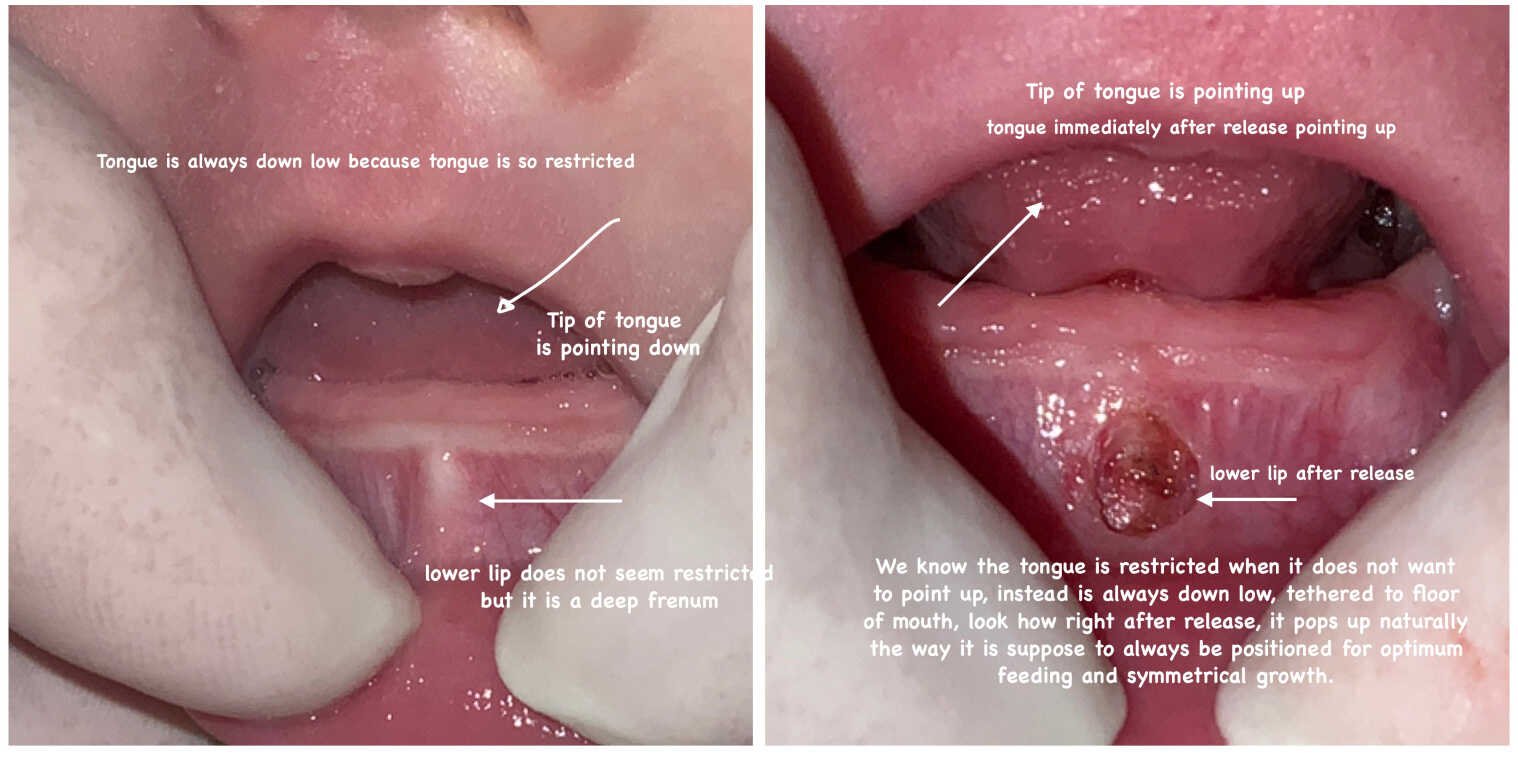
A lip tie is a condition that has gained increased attention in recent years, especially among parents of newborns and infants. While some babies with a lip tie experience no issues at all, others may face feeding difficulties, dental concerns, or speech challenges later in life. Understanding what a lip tie is, how it affects oral function, and when treatment may be necessary can help parents and caregivers make informed decisions.
This in-depth guide explains lip tie in simple terms, covering causes, types, symptoms, diagnosis, treatment options, and long-term outcomes.
What Is a Lip Tie?
A lip tie occurs when the labial frenulum—the small piece of tissue that connects the upper lip to the gums—is unusually tight, thick, or short. This restriction can limit how freely the upper lip moves.
The labial frenulum is a normal anatomical structure, and everyone has one. A lip tie is only considered a concern when it restricts movement enough to cause functional problems.
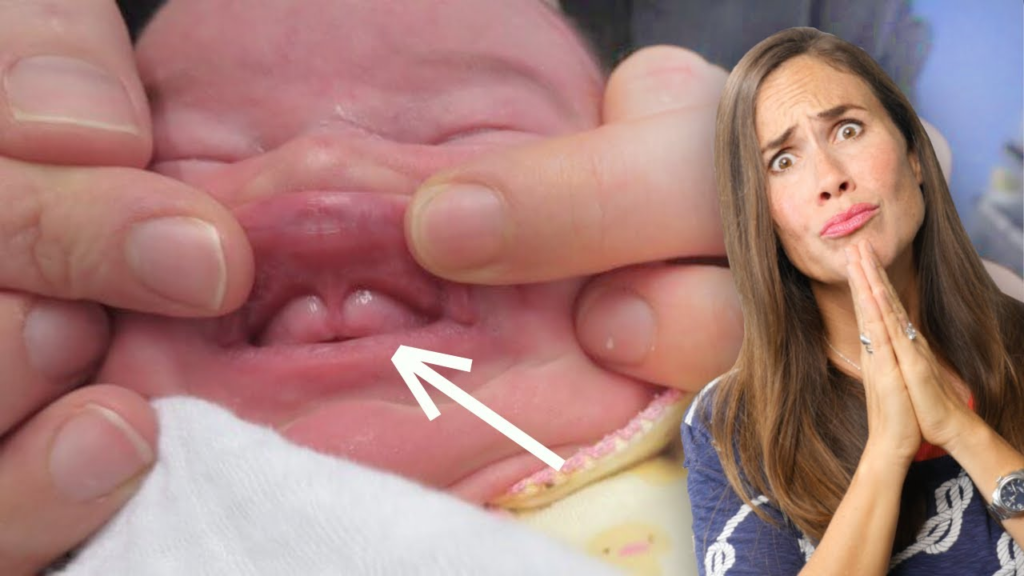
Understanding the Labial Frenulum
To better understand a lip_tie, it helps to know how the labial frenulum works.
Normal Function
- Allows the upper lip to move freely
- Supports proper latch during feeding
- Plays a role in speech and oral development
When the frenulum is too tight or attached too low on the gum, it may interfere with these functions.
Types of Lip_Tie
Lip_ties are often classified into different grades based on where the frenulum attaches.
Common Lip_Tie Classifications
- Mild lip_tie: Minimal restriction, usually no symptoms
- Moderate lip_tie: Some limitation of lip movement
- Severe lip_tie: Significant restriction, often attached near or between the front teeth
Not all classifications require treatment. Function matters more than appearance.
What Causes a Lip_Tie?
The exact cause of a lip_tie is not fully understood, but it is believed to be related to genetics and fetal development.
Possible Causes
- Genetic factors
- Normal variation in oral anatomy
- Developmental differences during pregnancy
Lip ties are present at birth and are not caused by feeding methods or parenting practices.
Lip_Tie in Newborns and Infants
Lip_tie is most commonly discussed in infants because of its potential impact on feeding.
Why Lip_Tie Matters in Babies
- The upper lip may not flange outward properly
- Poor seal during breastfeeding or bottle feeding
- Increased air intake during feeds
However, many infants with a lip tie feed perfectly well and never need treatment.
Symptoms of Lip_Tie in Babies
Not all babies with a lip tie show symptoms. When symptoms do occur, they may include:
Feeding-Related Signs
- Difficulty latching
- Frequent unlatching
- Clicking sounds during feeding
- Prolonged feeding sessions
- Poor weight gain
Maternal Symptoms (During Breastfeeding)
- Nipple pain or damage
- Incomplete breast emptying
- Low milk supply due to ineffective feeding
It’s important to note that these symptoms can have multiple causes, not just a lip tie.
Lip_Tie vs Tongue Tie: What’s the Difference?
Lip_tie is often discussed alongside tongue tie, but they are different conditions.
Key Differences
- Lip tie: Restricts the upper lip
- Tongue tie: Restricts tongue movement
Some babies have both conditions, while others have only one. Each should be evaluated separately based on function.
How Lip_Tie Is Diagnosed
There is no single test for diagnosing a lip_tie. Diagnosis is based on physical examination and functional assessment.
Professionals Who May Diagnose Lip_Tie
- Pediatricians
- Lactation consultants
- Pediatric dentists
- ENT (ear, nose, and throat) specialists
A proper diagnosis focuses on how the lip tie affects feeding or oral function—not just how it looks.
When Is Lip_Tie a Problem?
A lip tie is only considered problematic when it interferes with normal function.
Situations Where Lip_Tie May Cause Issues
- Ongoing feeding difficulties despite support
- Persistent maternal pain during breastfeeding
- Dental spacing problems as teeth emerge
- Speech concerns later in childhood
Many lip ties never cause any problems and require no intervention.
Lip Tie and Breastfeeding
Breastfeeding is one of the most common reasons parents seek evaluation for a lip tie.
How Lip_Tie Can Affect Breastfeeding
- Reduced ability for the baby to flange the upper lip
- Poor suction and milk transfer
- Increased feeding fatigue
That said, many breastfeeding challenges improve with positioning techniques and lactation support alone.
Bottle Feeding and Lip_Tie
Lip tie can also affect bottle-fed babies, though it is less commonly noticed.
Possible Bottle Feeding Issues
- Excessive gas
- Milk leaking from the mouth
- Slow or inefficient feeding
Special bottle nipples or feeding techniques may help manage these issues without surgical treatment.
Treatment Options for Lip_Tie
Treatment for lip_tie depends entirely on symptoms and functional impact.
Conservative Management
- Lactation support
- Feeding position adjustments
- Monitoring growth and development
Many infants improve without any medical procedure.
Lip_Tie Release (Frenectomy or Frenotomy)
In some cases, a procedure may be recommended.
What Is a Lip_Tie Release?
- A minor procedure that releases the tight frenulum
- Can be done using scissors or laser
- Usually takes only a few minutes
The decision to proceed should be based on functional need, not appearance.
Is Lip_Tie Release Safe?
Lip_tie release is generally considered safe when performed by an experienced professional.
Potential Risks
- Minor bleeding
- Temporary discomfort
- Risk of reattachment if aftercare is not followed
Serious complications are rare but should always be discussed with a qualified provider.
Aftercare Following Lip_Tie Release
Proper aftercare is essential for healing and preventing reattachment.
Common Aftercare Practices
- Gentle stretching exercises
- Feeding support
- Monitoring healing
Parents should always follow professional guidance after the procedure.
Lip_Tie and Dental Health
As children grow, a lip tie may affect dental development.
Possible Dental Concerns
- Gap between the front teeth
- Gum tension or irritation
- Oral hygiene challenges
In many cases, dental spacing resolves naturally as adult teeth come in
Lip_Tie and Speech Development
Lip tie alone is rarely a direct cause of speech problems.
Speech Considerations
- Severe restrictions may affect certain sounds
- Speech issues usually involve multiple factors
- Evaluation by a speech-language pathologist is recommended if concerns arise
Most children with lip ties develop normal speech.
Lip_Tie in Toddlers and Older Children
Lip tie may persist into childhood, but treatment decisions change with age.
Considerations for Older Children
- Functional impact on speech or oral hygiene
- Dental recommendations
- Child comfort and cooperation
Observation is often preferred unless clear problems exist.
Myths and Misconceptions About Lip_Tie
There is a lot of misinformation surrounding lip tie.
Common Myths
- All lip ties must be released
- Lip tie always causes breastfeeding failure
- Lip tie always leads to speech problems
In reality, most lip ties are harmless and do not require treatment.
When to Seek Professional Advice
Parents should consider professional evaluation if they notice:
- Persistent feeding difficulties
- Poor infant weight gain
- Ongoing breastfeeding pain
- Dental or speech concerns
Early evaluation ensures appropriate support and peace of mind.
Long-Term Outlook for Lip_Tie
The long-term outlook for individuals with a lip_tie is generally excellent.
What to Expect
- Many lip ties stretch naturally over time
- Feeding issues often resolve with support
- Surgical intervention is not always necessary
Each case is unique and should be approached individually.
Frequently Asked Questions About Lip_Tie
What is a lip_tie?
A lip_tie is a tight or restrictive labial frenulum that may limit upper lip movement.
Does every lip_tie need treatment?
No. Treatment is only recommended if the lip_tie causes functional problems.
Can a lip tie fix itself?
In many cases, yes. The frenulum can stretch as a child grows.
Is lip_tie release painful?
The procedure is quick, and discomfort is usually mild and temporary.
- Clear user intent
- Health and parenting relevance
- Opportunity for topical authority
- Long-term evergreen traffic
Well-structured, medically accurate content performs best for this keyword.
Final Thoughts on Lip_Tie
A lip_tie is a common anatomical variation that may or may not cause problems. While it has become a popular topic in parenting and health discussions, it’s important to approach it with balance, evidence, and professional guidance.
Most lip ties do not require treatment, and when intervention is needed, outcomes are generally positive. Understanding the condition helps parents make confident, informed decisions that support their child’s health and development.
