



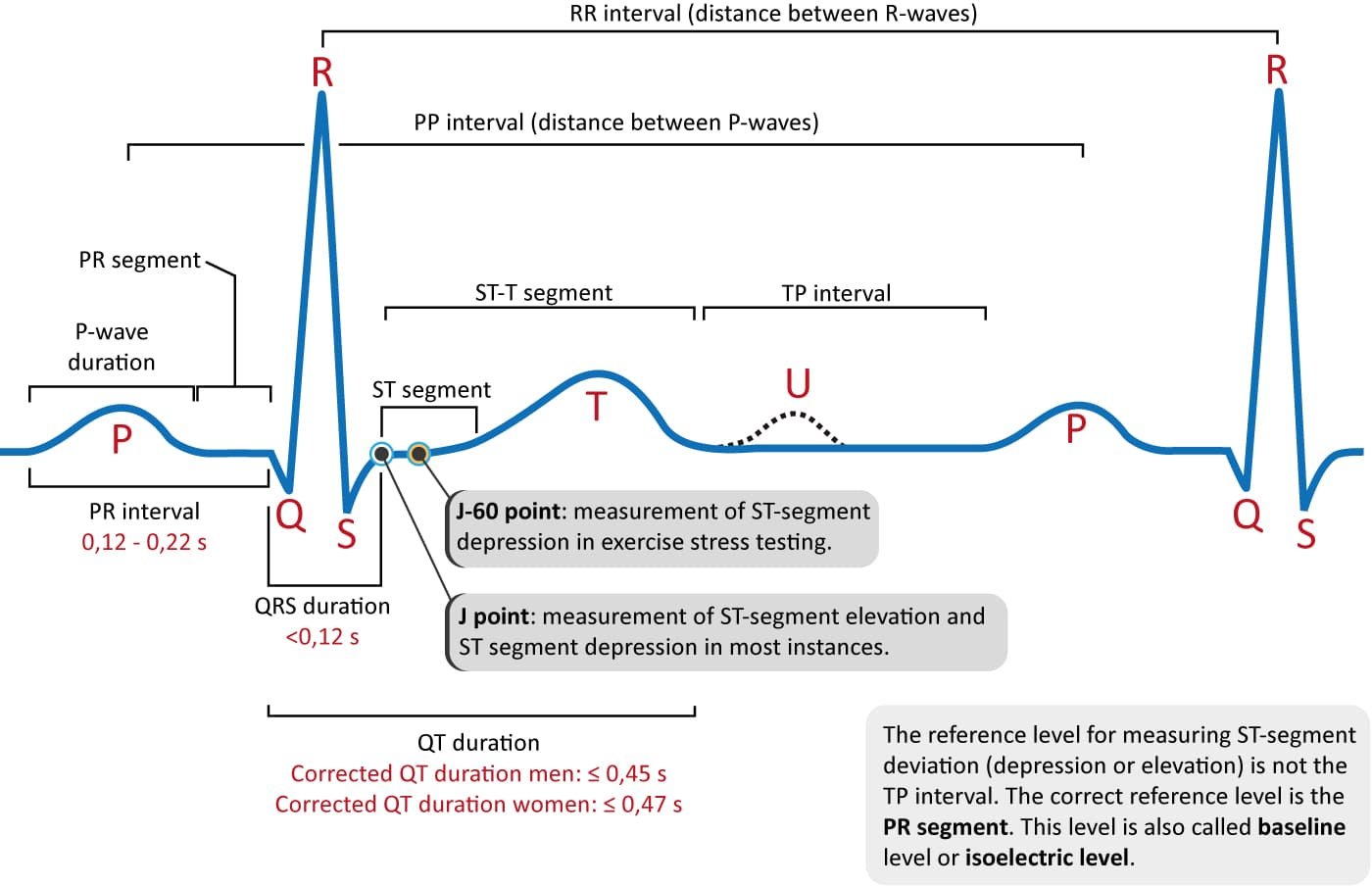
The normal PR interval is an essential concept in cardiology and electrocardiogram (ECG) interpretation. It helps doctors understand how electrical signals travel through the heart and whether the heart’s conduction system is functioning properly. Even small changes in the PR interval can provide valuable clues about heart health.
This comprehensive guide explains the normal PR interval, its definition, normal range, how it is measured, what affects it, and why it matters in clinical practice.
What Is the Normal PR Interval
The normal PR interval refers to the time taken for an electrical impulse to travel from the atria to the ventricles of the heart. This interval is measured on an electrocardiogram (ECG or EKG).
Simple Definition
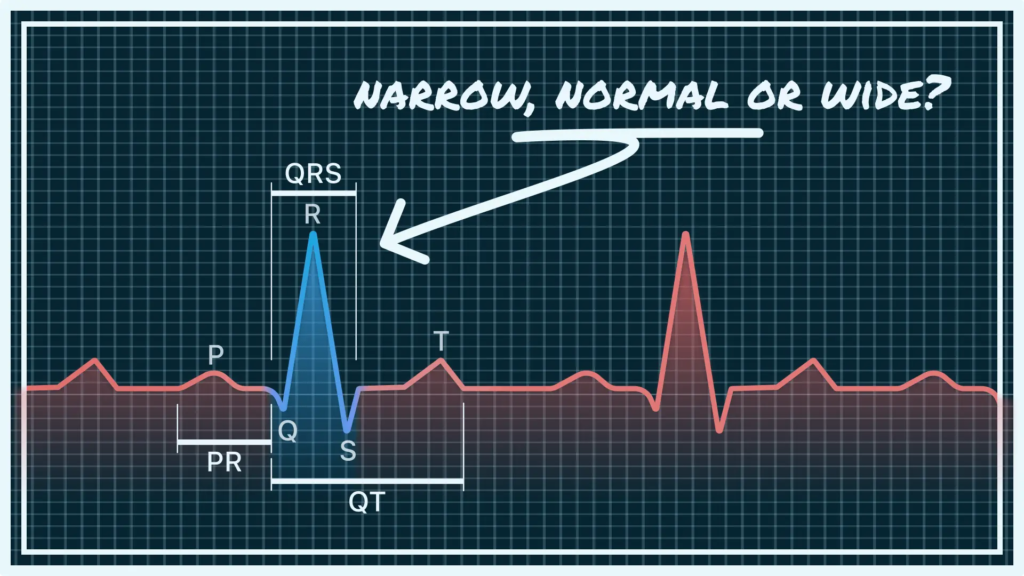
The normal PR interval is the time between the start of the P wave and the start of the QRS complex on an ECG.
This interval reflects electrical conduction through:
- The atria
- The atrioventricular (AV) node
- The His-Purkinje system
Normal PR Interval Range in Adults
The accepted normal PR interval range in adults is:
✅ 120 to 200 milliseconds (ms)
(0.12 to 0.20 seconds)
- Less than 120 ms → Short PR interval
- More than 200 ms → Prolonged PR interval
Staying within the normal range usually indicates healthy AV conduction.
Normal PR Interval in Children and Adolescents
The normal PR interval varies with age, especially in children.
General Pediatric Ranges:
- Infants: 80–150 ms
- Children: 90–170 ms
- Adolescents: Similar to adults (120–200 ms)
Because heart size and conduction speed change with growth, age-specific interpretation is essential.
How to Measure the Normal PR Interval on an ECG
Understanding how to measure the normal PR interval is important for accurate diagnosis.
Step-by-Step Measurement:
- Identify the P wave on the ECG
- Identify the QRS complex
- Measure from the start of the P wave to the start of the QRS complex
- Count small ECG boxes:
- Each small box = 40 ms
- 3–5 small boxes = normal range
Why the Normal PR Interval Is Important
The normal PR interval provides critical information about heart function.
Key Reasons It Matters:
- Indicates normal AV node conduction
- Helps detect heart blocks
- Assists in diagnosing rhythm disorders
- Guides treatment decisions
Abnormal PR intervals may signal underlying heart conditions.
Electrical Pathway and the Normal PR Interval
To fully understand the normal PR interval, it’s helpful to know the heart’s electrical pathway.
Electrical Flow:
- Sinoatrial (SA) node fires
- Atrial depolarization (P wave)
- AV node delay (PR segment)
- Ventricular depolarization (QRS complex)
The AV node delay ensures proper ventricular filling before contraction.
Causes of a Short PR Interval
A PR interval shorter than the normal PR interval (less than 120 ms) may indicate abnormal conduction.
Common Causes:
- Wolff-Parkinson-White (WPW) syndrome
- Lown-Ganong-Levine (LGL) syndrome
- Junctional rhythms
Short PR intervals can increase the risk of rapid heart rhythms.
Causes of a Prolonged PR Interval
A PR interval longer than the normal PR interval (greater than 200 ms) is known as first-degree AV block.
Common Causes:
- Aging
- Increased vagal tone
- Medications (beta-blockers, calcium channel blockers)
- Ischemic heart disease
In many cases, prolonged PR intervals are asymptomatic.
Medications That Affect the Normal PR Interval
Certain drugs can alter the normal PR interval by slowing AV node conduction.
Common Medications:
- Beta blockers
- Digoxin
- Calcium channel blockers
- Antiarrhythmic drugs
Doctors monitor PR intervals when prescribing these medications.
Normal PR Interval and Heart Blocks
The normal PR interval is essential for identifying heart blocks.
Types of AV Blocks:
- First-degree AV block → Prolonged PR interval
- Second-degree AV block → Intermittent conduction failure
- Third-degree AV block → Complete AV dissociation
Only first-degree AV block maintains a consistent PR interval.
Normal PR Interval in Athletes
Athletes often have higher vagal tone, which can slightly prolong the PR interval.
Key Points:
- Mild prolongation may still be normal
- Usually asymptomatic
- Requires clinical correlation
In athletes, PR interval changes are often physiological rather than pathological.
Normal PR_Interval vs Other ECG Intervals
Understanding how the normal PR_interval differs from other ECG measurements is important.
Comparison:
- PR Interval → Atria to ventricles conduction
- QRS Duration → Ventricular depolarization
- QT Interval → Ventricular depolarization and repolarization
Each interval reflects a different electrical phase of the heart.
Factors That Influence the Normal PR_Interval
Several factors can affect the normal PR_interval.
Influencing Factors:
- Age
- Autonomic tone
- Heart rate
- Medications
- Electrolyte levels
These factors must be considered during ECG interpretation.
Clinical Scenarios Involving Normal PR_Interval
Doctors evaluate the normal PR_interval in many clinical situations.
Common Scenarios:
- Chest pain evaluation
- Syncope (fainting)
- Palpitations
- Routine health checkups
Even subtle abnormalities can guide further testing.
Normal PR_Interval and Diagnostic Accuracy
Accurate measurement of the normal PR_interval improves diagnostic confidence.
Benefits:
- Early detection of conduction disease
- Reduced misdiagnosis
- Better treatment planning
Consistent ECG technique is essential for reliable measurements.
Normal PR_Interval in Emergency Medicine
In emergency settings, PR interval assessment can be lifesaving.
Emergency Relevance:
- Detect drug toxicity
- Identify acute ischemia
- Monitor unstable arrhythmias
A normal PR interval often helps rule out serious conduction issues.
Normal PR_Interval and Long-Term Prognosis
For most people, a normal PR_interval indicates good long-term heart health.
Prognostic Value:
- Normal interval → Low risk
- Mild prolongation → Usually benign
- Severe abnormalities → Require follow-up
Clinical context is always important.
Common Myths About the Normal PR_Interval
Myth 1: A slightly long PR interval is always dangerous
Fact: Mild prolongation is often harmless.
Myth 2: Normal PR_interval never changes
Fact: It can change with age, fitness, and medications.
Myth 3: PR interval alone diagnoses heart disease
Fact: It is only one part of ECG interpretation.
How Doctors Manage PR_Interval Abnormalities
Management depends on symptoms and severity.
Possible Approaches:
- Observation
- Medication adjustment
- Treat underlying conditions
- Pacemaker (rare cases)
Normal PR interval usually requires no treatment.
Normal PR_Interval and Preventive Cardiology
Monitoring the normal PR_interval is part of preventive heart care.
Preventive Benefits:
- Early detection of conduction problems
- Monitoring medication effects
- Baseline comparison over time
Routine ECGs play a key role in prevention.
Frequently Asked Questions About Normal PR_Interval
What is a normal PR_interval?
The normal PR interval is 120–200 milliseconds in adults.
Is a normal PR_interval the same for everyone?
No, it varies slightly with age and heart rate.
Can stress affect the PR interval?
Yes, autonomic changes can influence conduction time.
Does a normal PR_interval rule out heart disease?
No, but it suggests normal AV conduction.
Final Thoughts on Normal PR_Interval
The normal PR_interval is a fundamental ECG measurement that reflects healthy electrical conduction between the atria and ventricles. While abnormalities can indicate underlying issues, a PR interval within the normal range usually signals proper heart function.
Understanding this interval helps healthcare professionals make accurate diagnoses and reassures patients about their heart health. Whether used in routine checkups or emergency settings, the normal PR interval remains a cornerstone of ECG interpretation.
