



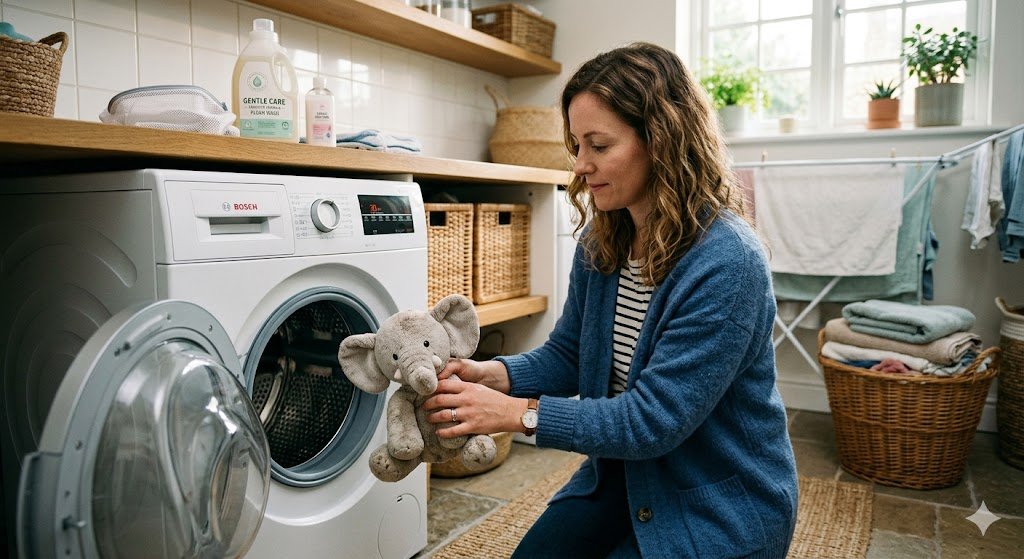
Does your child have a favorite teddy bear that goes everywhere with them? Over time, these well-loved friends can collect dust, spills, and germs. Learning how to wash stuffed animals properly is a super helpful skill for every parent. You want to make sure the toy comes out clean but stays in one piece. If you use the wrong method, the stuffing might get lumpy or the fabric could tear. This guide makes the process simple, safe, and stress-free for everyone involved.
Why You Should Clean Plush Toys Regularly
Stuffed animals are like magnets for dirt and bacteria. Think about all the places they go! They sit on floors, ride in the car, and even get dragged outside. When you learn how to wash stuffed animals, you help keep your home healthier. Regular cleaning stops dust mites from building up inside the soft fabric. It also keeps your child’s favorite toy smelling fresh and looking brand new. You don’t need to wash them every single week, but a good deep clean every few months is a great idea.
Check the Care Label First
Before you start, look for a small fabric tag on the toy. Most manufacturers include specific instructions on how to wash stuffed animals safely. If the tag says “surface wash only,” do not put it in the washing machine. Some delicate toys have hard parts, electronic sounds, or glued-on eyes that cannot handle water. If you see these special features, be very careful. Following the manufacturer’s advice is the best way to protect the toy from accidental damage or shrinking during the cleaning process.
Supplies You Will Need for Cleaning
Gathering your supplies ahead of time makes the job much easier. You will need a mesh laundry bag, some mild liquid detergent, and a clean towel. A mesh bag is vital because it prevents the toy from getting snagged on the machine agitator. If you are worried about harsh chemicals, choose a gentle, unscented detergent. Having these items ready means you won’t have to scramble while your child is waiting for their toy. Being prepared is a key part of how to wash stuffed animals successfully.
The Best Way to Use a Washing Machine
If the tag says the toy is machine washable, you are in luck. First, place the toy inside your mesh bag to keep it safe. Set your washing machine to a gentle or delicate cycle with cold water. Hot water can melt synthetic fur or damage the glue on noses and eyes. Using a small amount of mild detergent is perfect for getting rid of grime without leaving soapy residue behind. This gentle approach ensures that how to wash stuffed animals becomes a routine you can trust.
Hand Washing for Delicate Toys
Some toys are just too fragile for a machine. Hand washing is the safest way to clean those special, sentimental plushies. Fill a clean sink or basin with cool water and a tiny bit of detergent. Gently swish the toy in the soapy water, focusing on areas with visible stains. Do not scrub too hard, as this can ruin the texture of the fabric. Once clean, rinse the toy thoroughly until all the soap bubbles are gone. This method is the gold standard for how to wash stuffed animals that are very old or precious.
Getting Rid of Tough Stains
Sometimes a toy gets a stubborn stain from juice or dirt. Instead of soaking the whole toy, try spot cleaning first. Mix a little bit of mild soap with water and use a soft cloth to blot the stain. Always test a tiny, hidden spot on the toy first to make sure the colors don’t fade. By learning how to wash stuffed animals through spot cleaning, you can save time. It prevents the entire toy from getting soaked when only a small area actually needs some extra attention.
How to Dry Stuffed Animals Properly
Drying is just as important as washing. After you figure out how to wash stuffed animals, you must ensure they dry completely to avoid mold. Air drying is always the best choice for delicate toys. Lay the toy flat on a clean, dry towel and let it sit in a well-ventilated area. Avoid hanging the toy by an ear or arm, as this can stretch the fabric out of shape. Turning the toy over every few hours helps it dry evenly and keeps the stuffing feeling soft and fluffy.
Dealing with Electronic or Musical Toys
If a toy has a battery pack or a sound box, you must be extremely cautious. These items usually cannot be submerged in water at all. If the electronic part is removable, take it out before you start. If it is sewn inside, stick to surface cleaning with a damp cloth and a little soap. Never risk dunking these toys in water, as it will ruin the internal mechanics. Mastering how to wash stuffed animals involves knowing exactly when to avoid water entirely for safety reasons.
Keeping Toys Fluffy After a Wash
Sometimes toys lose their shape after a spin in the laundry. You can help them stay soft by fluffing the stuffing back into place once they are almost dry. Gently knead the toy with your hands to break up any clumps inside. If the fur looks a bit messy, use a clean, soft-bristled brush to gently comb it out. This simple trick makes a huge difference in the final look. It shows that you know how to wash stuffed animals while keeping them huggable for years to come.
When to Replace Instead of Wash
Even with the best care, some toys eventually reach the end of their life. If the seams are falling apart, the stuffing is coming out, or the fabric is ripped beyond repair, it might be time to let go. Safety is always the top priority for children’s toys. If you cannot fix the damage safely, it is better to find a replacement. Remembering how to wash stuffed animals is great, but knowing when to retire a toy is just as important for your child’s safety.
Detailed Cleaning Summary Table
| Cleaning Method | Best For | Benefit |
| Machine Wash | Sturdy, modern plush toys | Fast and efficient cleaning |
| Hand Wash | Fragile or vintage toys | Prevents damage to delicate parts |
| Spot Cleaning | Small, localized stains | Avoids soaking the entire toy |
| Surface Wipe | Electronic or battery toys | Safely cleans without ruining guts |
Frequently Asked Questions
1. Can I put stuffed animals in the dryer?
It is better to air dry them. High heat can melt synthetic fur or damage delicate eyes.
2. How do I know if a toy is machine washable?
Always check the sewn-in care label first. If it doesn’t say, it’s safer to hand wash.
3. What if my toy has beads or beans inside?
Be careful! If the bag inside breaks, beads can spill. A mesh bag is necessary if you use a machine.
4. How often should I wash my child’s favorite toy?
Once every three months is usually enough unless it gets visibly dirty or there is a spill.
5. Can I use bleach on stuffed animals?
No, bleach is too harsh. It can ruin the fabric and be irritating to your child’s skin.
6. What soap is best for washing plushies?
Use a mild, gentle liquid detergent. Avoid strong scents or chemicals that might cause an allergic reaction.
Conclusion
Now you are an expert on how to wash stuffed animals! Keeping your little one’s favorite toys clean doesn’t have to be a chore. By using the right methods, you protect the toys and keep your home clean too. Do you have a favorite trick for keeping plushies fluffy? Share your thoughts or ask a question in the comments below—I would love to hear how you keep those special toys looking great!
