



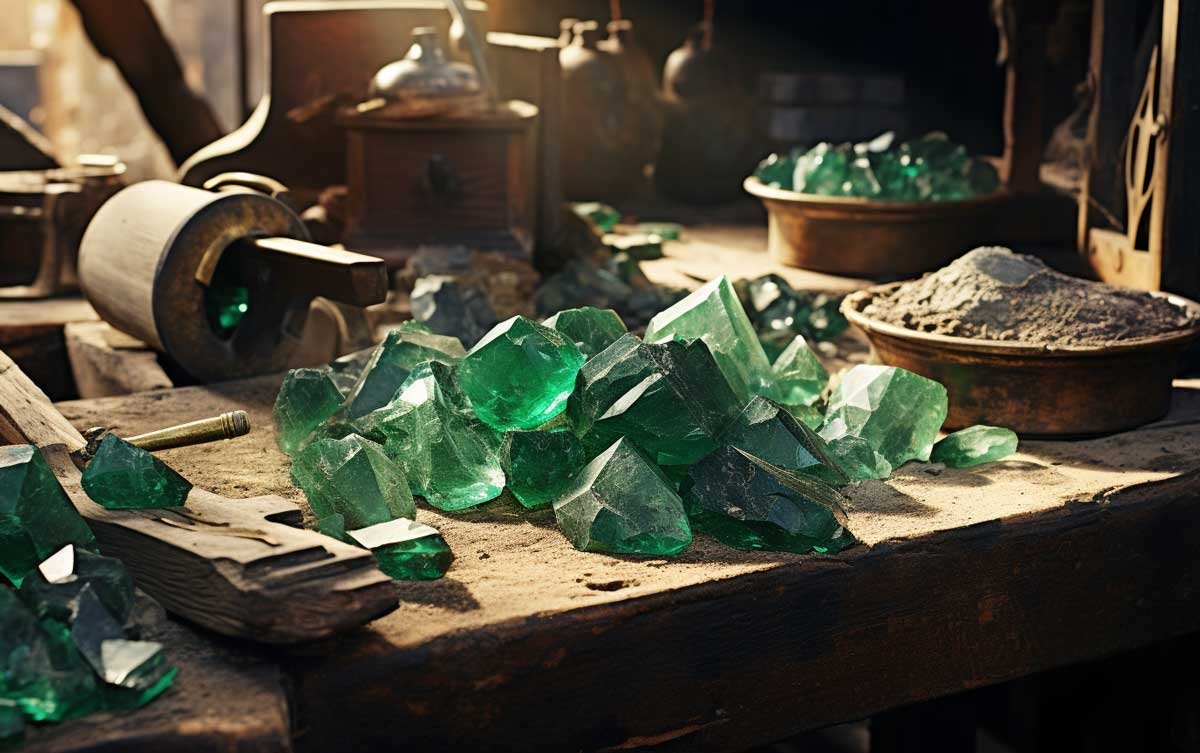
Introduction: From Raw Nature to Radiant Beauty
Nature produces countless minerals and stones beneath the surface of the Earth, but in their natural state many of these treasures appear dull, rough, and unremarkable. Hidden within these rugged surfaces, however, lies remarkable beauty waiting to be revealed. The journey from a rough stone to a brilliant gem involves both natural symbolism and skilled craftsmanship. One concept often associated with this transformation is the “Tree of Fortune,” a symbolic representation of growth, prosperity, and natural abundance. When combined with the careful process of stone polishing, the transformation becomes a fascinating blend of nature’s creation and human artistry.
The process of transforming rough stones into brilliant treasures has captivated jewelers, collectors, and artists for centuries. Each polished gem carries a story that begins deep within the Earth and ends with a sparkling piece of art admired around the world.
The Symbolism of the Tree of Fortune
The Tree of Fortune is often used as a metaphor for prosperity, growth, and transformation. Just as a tree grows from a small seed into a strong and flourishing structure, natural stones evolve from raw minerals into stunning gems through time and refinement. In many cultural traditions, the Tree of Fortune symbolizes abundance and the hidden potential within nature.
When applied to gemstones and minerals, this symbolism reflects the idea that beauty often begins in an unrefined form. Rough stones may appear plain at first glance, but they hold extraordinary possibilities beneath their surface. The polishing and shaping process reveals these hidden qualities, much like nurturing a tree allows it to reach its full potential.
For collectors and artisans, this concept represents patience and appreciation for nature’s gradual transformation. Each stage of refinement brings the stone closer to its final brilliance.
The Natural Formation of Rough Stones
Before any polishing or shaping occurs, stones must first form within the Earth through natural geological processes. These processes take place over thousands or even millions of years. Minerals crystallize as molten rock cools, or they develop when mineral-rich water slowly deposits particles within cracks and cavities in rock formations.
Pressure, temperature, and chemical interactions influence the final structure of the stone. These conditions determine the crystal shape, color, and hardness of the mineral. However, when these stones are first discovered, they rarely display their full beauty. Their surfaces may be rough, cloudy, or coated with surrounding rock.
Despite their rough appearance, these stones contain intricate internal structures that give them their potential brilliance. Skilled craftsmen must carefully reveal these features without damaging the stone’s natural integrity.
The Art and Science of Stone Polishing
Polishing is one of the most important steps in transforming rough stones into brilliant treasures. This process involves gradually smoothing and refining the surface of the stone using specialized tools and abrasive materials. Each stage removes small layers from the surface, allowing the natural color and clarity of the stone to emerge.
The process usually begins with cutting or shaping the stone to remove unwanted outer material. Once the basic form is created, artisans begin a series of polishing steps using finer and finer abrasives. These abrasives smooth microscopic scratches left by earlier stages and gradually create a reflective surface.
The final stage of polishing produces the brilliant shine associated with gemstones and decorative stones. Light can now pass through or reflect from the polished surface, revealing the stone’s true color and sparkle. Without this process, even the most beautiful minerals would remain hidden beneath rough textures.
Revealing Hidden Colors and Patterns
One of the most exciting aspects of polishing is the way it reveals colors and patterns that are invisible in the raw stone. Many minerals contain internal layers, bands, or crystal structures that become visible only after careful polishing.
For example, certain stones display swirling mineral bands, shimmering reflections, or deep vibrant colors once their surfaces are smoothed. These natural designs were formed over countless years within the Earth, yet they remain hidden until the stone is properly prepared.
Collectors often find this transformation fascinating because it highlights the creative power of nature. Each stone reveals a unique pattern, making every polished piece different from the next.
The Role of Skilled Craftsmanship
Although nature creates the raw material, human skill plays a crucial role in the final transformation. Experienced artisans study each stone carefully before beginning the polishing process. They must decide how to cut and shape the stone in a way that highlights its best features.
Some stones are shaped into smooth cabochons with rounded surfaces, while others are cut into precise facets that maximize light reflection. The choice of shape depends on the stone’s structure, clarity, and color distribution.
This careful planning ensures that the finished gem displays its full brilliance. A poorly executed cut can reduce a stone’s sparkle or even damage its internal structure. For this reason, skilled craftsmanship is highly valued in the gemstone industry.
The Connection Between Nature and Art
The transformation of rough stones into polished gems represents a unique collaboration between nature and human creativity. Nature provides the raw materials, shaping them through geological forces over immense periods of time. Human artisans then refine these materials, revealing their hidden beauty.
This partnership between natural formation and artistic craftsmanship is part of what makes gemstones so captivating. Each polished stone represents both the power of Earth’s natural processes and the skill of the artisan who refined it.
The Tree of Fortune symbolism reflects this relationship perfectly. Just as a tree grows through natural cycles while benefiting from care and cultivation, stones reach their full beauty through a combination of natural creation and human refinement.
The Value of Polished Stones
Polishing significantly increases the value of many stones. Rough minerals may appear ordinary when first discovered, but once they are cut and polished they can become valuable gemstones or decorative pieces. The clarity, color, and brilliance revealed during polishing often determine the final value of the stone.
Collectors and jewelers carefully evaluate these qualities when assessing a finished gem. Stones with vibrant color, strong transparency, and flawless surfaces tend to be the most desirable. Because each stone is unique, rare specimens with exceptional qualities can become highly prized treasures.
This value is not only financial but also artistic and emotional. Many people appreciate gemstones as symbols of natural beauty and personal expression.
Modern Technology and Stone Refinement
Advances in technology have improved the precision and efficiency of stone cutting and polishing. Modern tools allow artisans to shape stones with remarkable accuracy while minimizing material loss. Computer-assisted design systems can also help plan complex gemstone cuts that maximize brilliance.
Despite these technological improvements, traditional craftsmanship remains essential. Skilled artisans still rely on experience and careful observation to determine the best way to polish each stone. Technology enhances the process, but it cannot replace the human ability to interpret the unique character of every mineral.
This balance between innovation and tradition continues to shape the modern gemstone industry.
Conclusion: A Journey from Earth to Elegance
The transformation of rough stones into brilliant treasures is a remarkable journey that combines natural processes with human artistry. The symbolism of the Tree of Fortune reminds us that beauty and prosperity often emerge from humble beginnings. What begins as a rough mineral hidden deep within the Earth can eventually become a dazzling gemstone admired around the world.
Through careful cutting, shaping, and polishing, artisans reveal the colors, patterns, and brilliance that nature created over millions of years. This process highlights the incredible partnership between geological forces and skilled craftsmanship.
Ultimately, each polished stone tells a story of transformation, patience, and discovery. It is a reminder that nature holds extraordinary beauty beneath the surface—waiting for the right moment and the right hands to reveal its true brilliance.
