



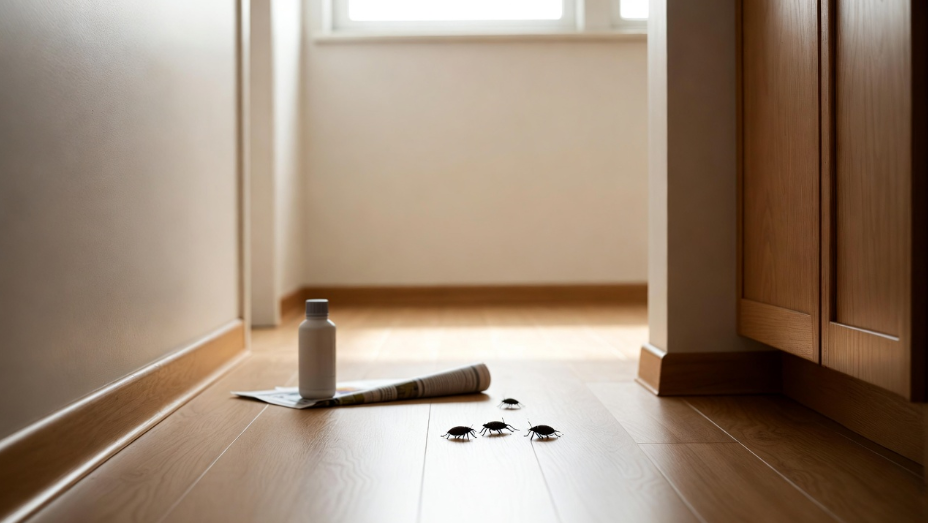
Finding a giant, scurrying insect in your bathroom can be a real shock. Many people call these pests water bugs, but they are often just looking for a cozy, damp place to live. I remember the first time I saw one near my kitchen sink; I nearly jumped out of my shoes! These insects love moisture and dark corners, which is why they end up inside our homes. While they might look scary, understanding them is the first step to making them leave for good.
In this guide, we will break down everything you need to know about these creepy crawlers. We will look at where they hide, what they eat, and how you can stop them from coming back. Whether you call them cockroaches or water bugs, the goal is the same: a clean, pest-free home. Let’s dive into the world of pest control and reclaim your space from these unwanted visitors.
Quick Reference: Water Bug Facts
| Feature | Details |
| Common Names | Water bugs, Palmetto bugs, Oriental cockroaches |
| Favorite Places | Damp basements, under sinks, near leaky pipes |
| Main Food | Rotting food, crumbs, starch, and organic waste |
| Activity Time | Mostly active at night (nocturnal) |
| Best Prevention | Fixing leaks and keeping the house dry |
What Exactly Are Water Bugs?
When people talk about water bugs, they are usually referring to two different things. Some are true aquatic insects that live in ponds, while others are actually Oriental cockroaches or American cockroaches. These pests love “wet” areas, which is how they got their famous nickname. They are usually dark brown or black and have a shiny shell that helps them slide through tiny cracks.
It is important to know that these bugs are not just a sign of a dirty house. Even very clean homes can have them if there is a water source nearby. They are survivors that have been around for a long time. They can hold their breath for a while and run very fast when you flip on the light. Learning about their habits helps you become a better “bug detective” in your own home.
Where Do These Pests Hide?
You will rarely see water bugs hanging out in the middle of your living room rug during the day. Instead, they prefer damp environments where they can stay hidden and hydrated. Think about the dark spots under your refrigerator or the space behind your washing machine. These are like five-star hotels for bugs because they provide both warmth and moisture.
I once found a whole family of them living behind a loose tile in a basement shower. Because they have flat bodies, they can squeeze into gaps that are as thin as a credit card. They also love sewer lines and floor drains. If a drain hasn’t been used in a while, the water trap dries out, and the bugs can crawl right up into your home. Checking these hidden spots is a great way to start your pest control journey.
What Do Water Bugs Eat?
One reason water bugs are so common is that they are not picky eaters at all. They are scavengers, which means they will eat almost anything they find on the floor. This includes food scraps, crumbs, and even the glue on the back of wallpaper or cardboard boxes. If it has any organic material in it, they will likely try to take a bite.
To keep them away, you have to be very careful with how you store your food. Leaving a bowl of pet food out overnight is like setting a dinner table for water bugs. They are also drawn to rotting leaves or wood piles outside your house. By cleaning up your kitchen and sealing your trash cans, you take away their “grocery store,” making your home much less attractive to them.
Why Are Water Bugs Attracted to Water?
As their name suggests, these insects cannot live very long without a water source. Moisture is the most important thing in their world. They use it to stay cool and to help their bodies function correctly. This is why you often see them in the bathroom or near the kitchen sink. A single dripping faucet can provide enough water for dozens of bugs to survive for weeks.
In the summer heat, water bugs might come inside just to escape the dry air outside. They are looking for “humidity,” which is just a fancy word for moisture in the air. If your basement feels damp or smells musty, it is probably a magnet for these pests. Using a dehumidifier to dry out the air is a simple trick that professional exterminators often recommend to homeowners.
Are Water Bugs Dangerous to Humans?
Many people worry if water bugs can bite or spread sickness. While they don’t usually bite humans, they are not exactly clean guests. Because they spend time in sewers and near trash, they can carry germs on their legs. When they crawl across your kitchen counter, they can leave those germs behind on your food or dishes.
It is also common for people with allergies to feel itchy or start sneezing when bugs are around. Their old shells and waste can turn into dust that bothers some people’s lungs. While you shouldn’t panic if you see one, it is a good idea to start pest control steps right away. Keeping your home clean and sanitized helps protect your family from any germs the bugs might be carrying.
How to Identify a Water Bug vs. a Roach
It can be tricky to tell the difference between a “true” water bug and a cockroach. True water bugs usually live outside in actual ponds and can be quite large. The “water bugs” we find in our homes are almost always a type of roach that simply prefers wet spots. They are usually bigger than the common German cockroach and don’t fly very well, though some have wings.
Look at the color and shape. Oriental cockroaches are very dark, almost black, and have a teardrop shape. American cockroaches are reddish-brown and much larger. If you see a bug that looks like a giant beetle but moves very fast, it’s likely one of these moisture-loving pests. Knowing exactly what you are looking at helps you choose the right bug spray or traps at the store.
Natural Ways to Get Rid of Water Bugs
If you don’t want to use harsh chemicals, there are several natural remedies you can try first. One of my favorite tricks is using boric acid. This is a powder that you can sprinkle in dark corners or under the sink. When the bugs walk through it, it sticks to their legs. Later, when they clean themselves, they swallow the powder, and it stops them from living.
Another great option is essential oils like peppermint or eucalyptus. These smells are lovely to humans but very annoying to water bugs. You can mix a few drops with water in a spray bottle and use it around your baseboards. While these methods take a little longer than professional sprays, they are much safer for pets and small children. It’s a “green” way to handle your pest control needs.
Sealing the Gaps: Preventing Entry
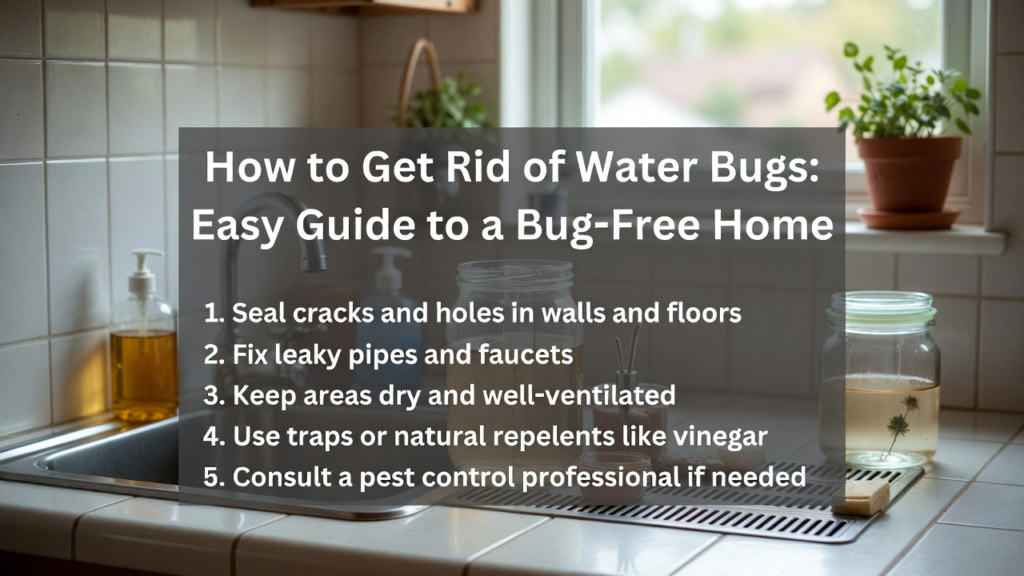
The best way to deal with water bugs is to make sure they never get inside in the first place. You should act like a home inspector and look for any small holes. Check around your windows, doors, and where pipes come through the walls. Even a tiny gap is like an open door for a hungry bug looking for a water source.
Using caulk to seal these cracks is a very cheap and effective fix. You should also check your door sweeps to make sure there is no space at the bottom of your front or back doors. I once helped a neighbor who had bugs coming in through a gap in their basement window. Once we sealed it with some foam, the water bugs disappeared almost overnight. Prevention is always easier than a cure!
Cleaning Habits That Stop Bugs
A clean house is a boring house for water bugs. If there are no crumbs and no spills, they will go somewhere else to find a snack. Make it a habit to wipe down your counters every night before bed. Don’t forget to sweep under the toaster and behind the microwave, as these are “secret” spots where food scraps often hide.
You should also be careful with your trash. Using a bin with a tight lid is very important. If you have a garden, try to keep piles of wood or dead leaves away from the side of your house. These piles act like “bug bridges” that lead straight to your door. By keeping the outside of your home tidy, you reduce the number of water bugs that even think about coming inside.
When to Call a Professional Exterminator
Sometimes, no matter how much you clean or spray, the water bugs keep coming back. This might mean there is a large nest hidden somewhere you can’t reach, like deep inside the walls. If you are seeing many bugs every single day, it might be time to call a professional exterminator. They have special tools and stronger treatments that can reach the heart of the problem.
Professional pest control experts can also help you find the “source” of the moisture. They might find a hidden pipe leak that you didn’t know about. While it costs more than a bottle of spray, a pro can give you peace of mind. They can set up a plan to keep your home protected all year round, so you never have to worry about a surprise bug encounter again.
Frequently Asked Questions (FAQs)
1. Can water bugs fly into my house?
Most of the “water bugs” found in homes, like the Oriental roach, cannot fly. However, American cockroaches have wings and can occasionally flutter short distances, especially if it is very hot outside.
2. Does bleach kill water bugs?
Bleach can kill a bug if you pour it directly on them, but it is not a good way to get rid of an infestation. It doesn’t keep them away, and it can be dangerous to breathe in if you use too much.
3. Why do I see them in the bathroom more than the kitchen?
The bathroom usually has the highest humidity and the most drains. Water bugs love the damp mats and the moisture left behind after a shower.
4. Will keeping my lights on keep them away?
Not really. While they prefer the dark, a hungry water bug will still come out if they think there is food. Turning off the lights just makes them feel more comfortable.
5. Are water bugs and cockroaches the same thing?
In most cases, yes. The “water bug” you see in your house is almost always a type of cockroach that loves damp environments. True water bugs usually stay in outdoor ponds.
6. How long can they live without food?
Water bugs are very tough. They can live for about a month without food, but they can only last a few days without a water source. This is why fixing leaks is so important!
Conclusion: Take Back Your Home!
Dealing with water bugs can feel like a big job, but you don’t have to let them take over. By focusing on keeping your home dry and clean, you are already winning half the battle. Remember to seal up those tiny cracks and fix any leaky faucets as soon as you find them. These simple steps make your home a “no-go zone” for pests.
Whether you choose natural remedies or call in a pro, the most important thing is to stay consistent. Don’t let a few bugs ruin your day! You have the power to create a comfortable, clean space for your family. If you follow the tips in this guide, those creepy crawlers will soon be a thing of the past.
